
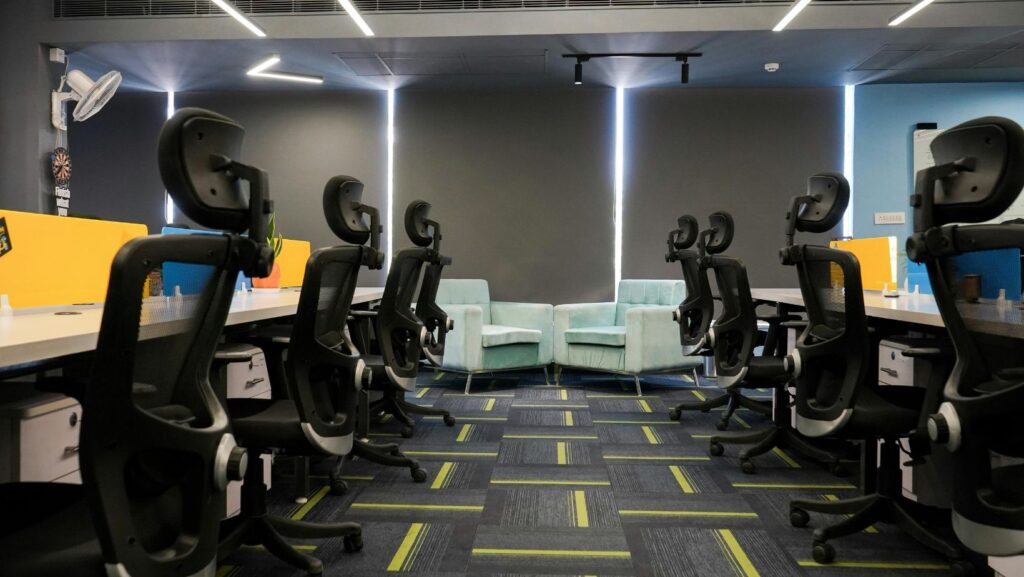
Many people spend a large part of their day sitting, whether working from home, studying, or handling long tasks that require focus. A chair that feels comfortable for the first hour may not feel the same after several more. This is where a modern ergonomic chair makes a real difference. It supports the body, encourages better posture, and reduces strain that builds up over time. If you are looking for a chair that helps you stay comfortable through long hours, these are the features worth paying attention to.
Adjustable Seat Height for Proper Alignment
Seat height is one of the most important elements of ergonomic design. When the chair sits at the right height, your feet rest flat on the floor, your thighs stay parallel to the ground, and your knees sit at a comfortable angle. This simple alignment supports the lower back and reduces tension in the hips.
An adjustable height feature is essential for homes where different people share the same workspace. A chair that adapts to each user helps everyone maintain a more natural sitting position
Lumbar Support That Follows the Natural Curve of the Spine
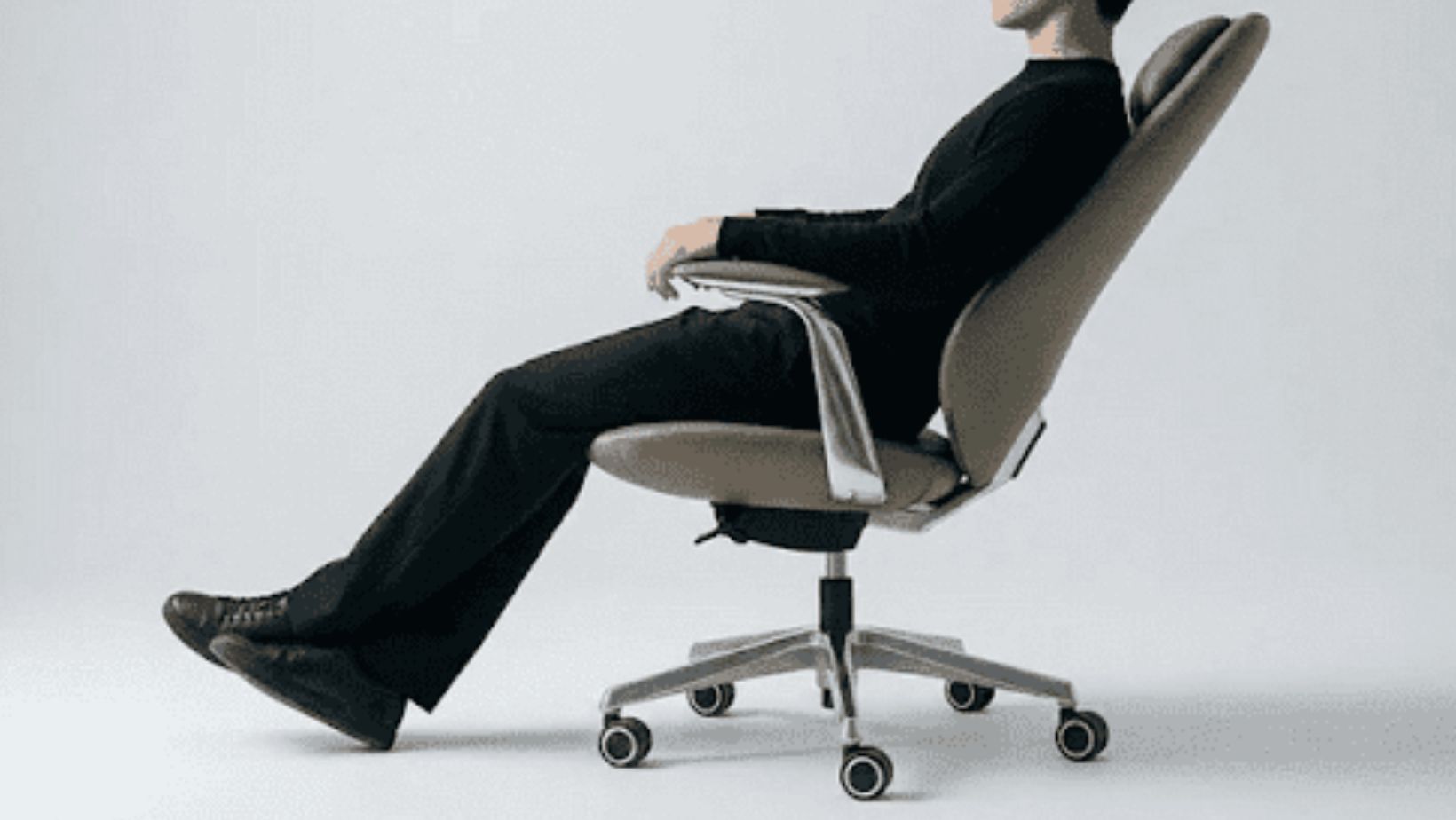
Your lower back carries a lot of weight throughout the day. When sitting for long periods, the spine can lose its natural curve, which leads to slouching and discomfort. Good lumbar support gently guides your back into the right shape.
The best ergonomic chairs offer lumbar support that is adjustable or responsive. This allows the support to sit exactly where your lower back needs it. A chair that encourages this natural curve can reduce long-term strain and help you sit more comfortably for longer stretches of time.
A Supportive Seat Cushion That Lasts
Seat cushioning plays a major role in how a chair feels after hours of use. Some cushions feel soft at first but flatten quickly, which leads to discomfort. Others feel too firm and do not adapt to your shape. A supportive seat cushion should feel comfortable from the start, but also maintain that comfort as the hours pass.
Cold-molded foam is one example of a material known for lasting support. It holds its structure longer than standard foam and distributes weight more evenly. This type of cushion is often used in higher-performing ergonomic chairs because it stays comfortable through long workdays.
Smooth Recline and Locking Positions
Sitting in only one posture throughout the day can increase fatigue. A reclining function allows you to shift your weight, relax your back, and release pressure from the spine. A smooth, controlled recline supports natural movement and makes it easier to readjust when your body needs a small break.
Locking positions also help you find the right angle for different tasks. Some people prefer a more upright posture for typing and a slight recline for thinking or reading. A chair that moves with you feels more natural and reduces stiffness at the end of the day.
Adjustable Armrests for Shoulder and Neck Relief
Armrests may seem simple, but they influence how your shoulders and neck feel over time. When armrests are too low, your shoulders may lift slightly, causing tension. When they are too high, your arms press upward and create strain.
Ergonomic chairs often include armrests that adjust in height and width. This lets users place their arms in a relaxed, neutral position. People who type or use a mouse for long periods benefit the most from armrests that support their natural posture.
A Stable Base and Quality Materials

A sturdy base is important for safety and long-term use. Materials such as aluminum and steel offer strength without adding unnecessary weight. Smooth casters help the chair glide across common flooring without resistance.
Quality materials also influence how the chair looks and feels over time. A well-made base, solid frame, and durable components reduce wear and help the chair remain stable even after years of daily use.
Why Ergonomics Matters in Daily Life
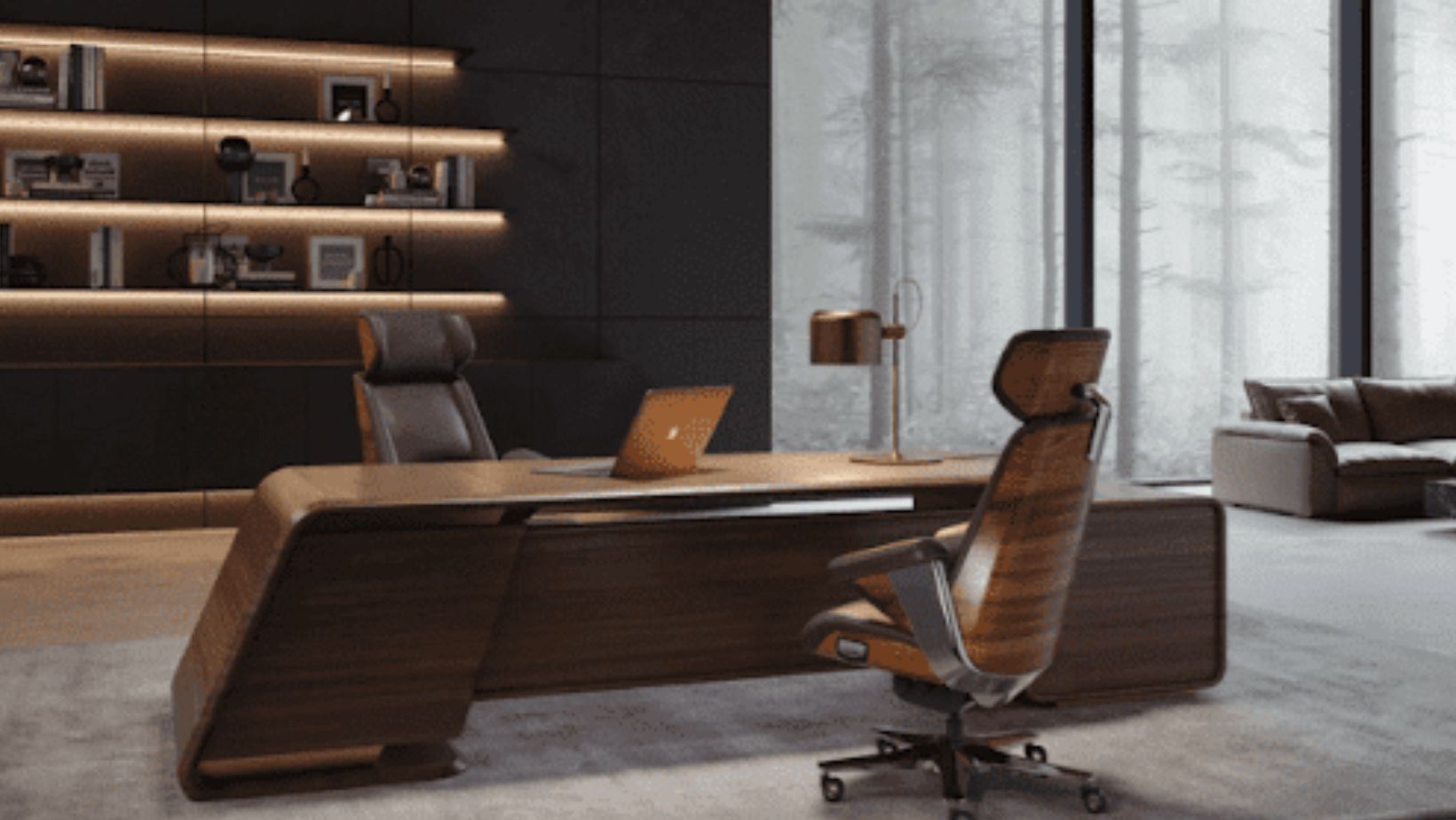
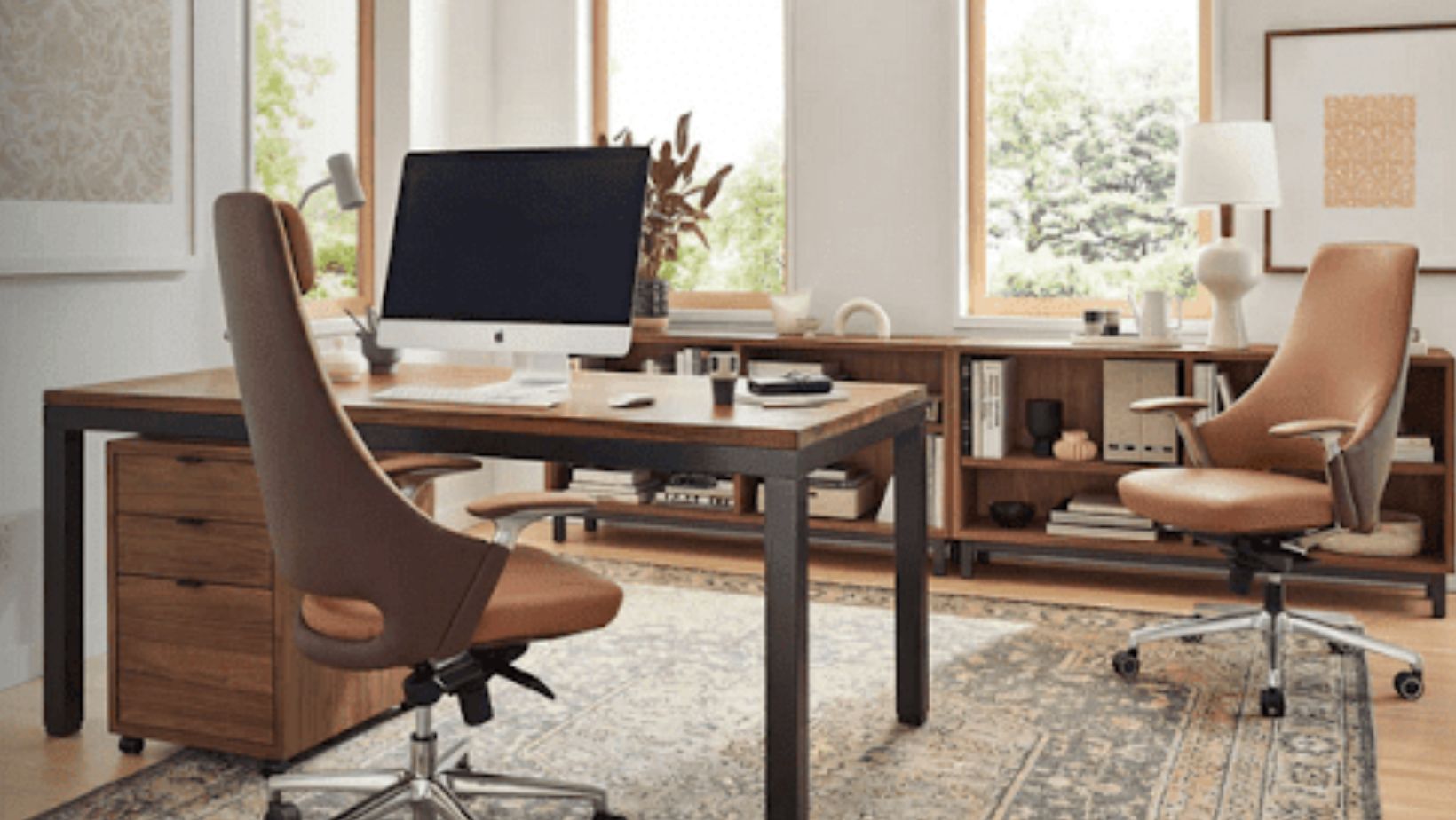
Good ergonomics improves more than posture. It supports clearer focus, steadier energy, and a more comfortable workday. People who sit for long hours often notice the difference when a chair supports natural alignment. Tasks feel easier. The body feels less tired. Even small adjustments can change how productive or relaxed a day feels.
Some modern brands, including Vertu Living with its Ergonomic Office chair, build ergonomic designs around these principles. The focus on adjustability, supportive materials, and comfort-driven engineering reflects what many people now look for in a home office setup.
Conclusion
Choosing an ergonomic chair is an investment in your daily well-being. When a chair supports your body correctly, you feel the difference in your back, shoulders, and overall comfort. Features like adjustable height, lumbar support, lasting cushioning, a smooth recline, and sturdy materials help create a healthier work environment. A good chair adapts to your body and your habits, making long hours feel more manageable.
With the right ergonomic features, your workspace becomes a place where your body feels supported and your mind can stay focused.