
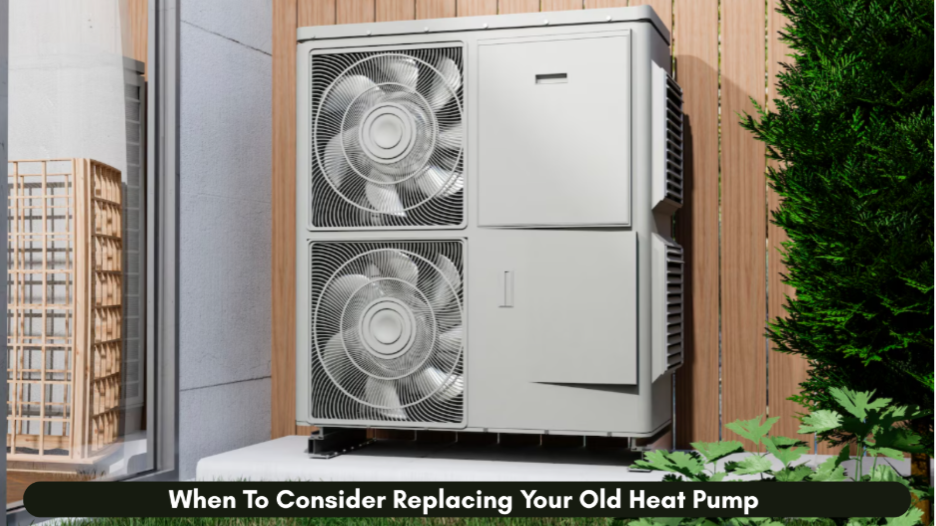
Fluctuating temperatures, increasing energy costs, and frequent system problems interfere with your comfort. You even adjust the thermostat, but the air does not feel right. One of the rooms is warm, whereas another is cold. You may also find yourself incurring more repairs, strange sounds, or poor air flow to the point that it implies that your system is trying hard and not doing its job. Thus, these issues not only impact your comfort, but they may also slowly escalate your operating costs and expose you to unexpected breakdowns.
Due to this reason, when continuous tension and inefficiency become evident, the practical solution is to identify when replacement will be more reasonable than further repair. Timely upgrades will help you restore a stable temperature, conserve energy, and reduce stress on the system. Eventually, being aware of the warning signs that are the most important aids you in making a more informed choice.
The following points explain why replacing your heat pump is a viable option to maintain comfort and improve efficiency.
1. Reduced Efficiency and Rising Energy Costs
Modern heat pumps are able to exchange heat effectively to keep the indoor temperatures steady during warm and cool seasons. Nonetheless, internal parts like coils and compressors become ineffective as your system becomes older. Due to this wear, the unit uses more electricity to provide the same level of comfort.
As a result, your utility bills are inflated despite having no change in your daily habits. Such a slow increase is usually not noticed initially. However, over a few seasons, the difference is noticeable. An old system has more cycles, can barely attain set temperatures, and wastes power when in use. Newer systems, on the other hand, can hold output at a lower level of strain.
So, when your bills are constantly getting higher and higher with no obvious explanation, the deteriorating efficiency is a strong sign that your heat pump is not functioning as it should be.
2. Frequent Repairs and Persistent Issues
All HVAC systems require some servicing, and when they are repaired frequently, it is a possible sign of more serious mechanical problems. In cases where the same issues recur, the equipment might be on its way to the end of its useful service.
Some of the items that are more likely to break down with age include compressors, reversing valves, electrical components, and refrigerant systems.
In the meantime, the repair expenses are quickly accrued and typically provide a temporary solution. There are also possibilities of breakdowns occurring in shorter intervals, which interfere with comfort and routine.
In cases where repair requirements increase over a short time span, replacement is a more reliable, long-term response that provides reliability and reduces maintenance requirements.
3. Inconsistent Indoor Temperature
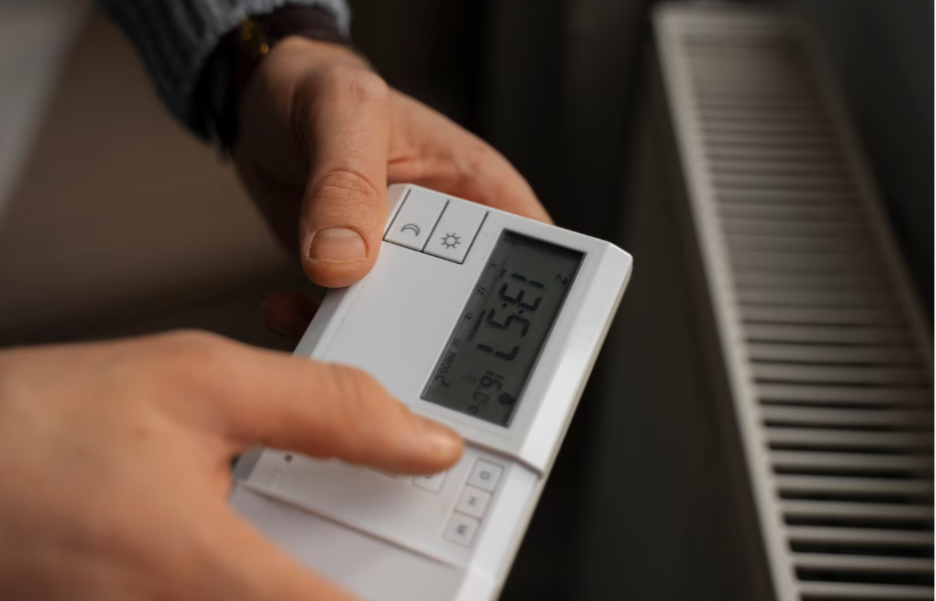
The steady room temperature means a healthy heat pump. Whenever some regions are either too hot or too cold, there are probably airflow or capacity issues. Proper air distribution is limited due to worn fans, low refrigerant efficiency, or old duct connections.
Consequently, you turn the thermostats up or down frequently, but to no avail. Change in the temperatures becomes a part of routine, particularly during extreme weather. In the long run, this trend demonstrates that the system is no longer in line with the requirements of your space. Newer systems are able to distribute conditioned air more uniformly and are able to react more accurately to conditions indoors.
Hence, once the consistent comfort is gone, opting for a replacement system fixes the underlying cause.
4. Unusual Noise or System Strain
Heat pumps typically operate with low, steady sound levels. Therefore, noticeable changes in the noise signal indicate internal stress. Grinding, rattling, buzzing, or loud humming often comes from worn motors, loose parts, or compressor strain.
Additionally, louder operation indicates the system works harder to maintain output. This extra effort accelerates wear and reduces reliability. Noise rarely appears alone; it often accompanies reduced efficiency and performance decline.
When sound becomes disruptive or unfamiliar, the equipment is likely near the end of its reliable service life. Addressing the cause through replacement prevents further internal damage and restores quieter operation.
5. Outdated Technology and Limited Features
Technology in heating and cooling equipment continues to advance. Modern systems offer improved humidity management, better airflow design, and enhanced support for indoor air filtration. These features contribute to stable comfort and healthier indoor environments.
Meanwhile, older equipment lacks these refinements. Even if it still operates, performance remains less precise. Temperature control feels less responsive, and efficiency falls behind current standards.
As expectations for comfort and energy performance grow, outdated equipment creates noticeable gaps. When your system cannot meet current comfort demands, limited features become a clear reason to consider replacement.
6. Major Component Failure and System Age
Most heat pumps provide dependable performance for roughly 10 to 15 years. After this range, major components begin reaching the end of functional life. Compressors, in particular, represent a critical point because replacement costs are high.
At this stage, investing in large repairs often brings diminishing value. Additional failures may follow as other aging parts weaken. Instead of improving reliability, repairs may only delay inevitable replacement.
Evaluating both system age and repair history gives you a realistic picture of remaining lifespan. When major components fail in an older unit, replacement provides a fresh start with renewed reliability and efficiency.
Bottomline
Several signs show when a heat pump no longer works effectively. Higher energy bills, frequent repairs, uneven temperatures, louder noise, outdated performance, and aging parts often appear together. These patterns indicate a system struggling to meet daily demands. Spotting these issues early helps you make informed choices instead of reacting to emergencies.
Timely replacement restores consistent comfort, improves efficiency, and reduces repeated repair needs, helping you maintain a stable indoor environment year-round.