
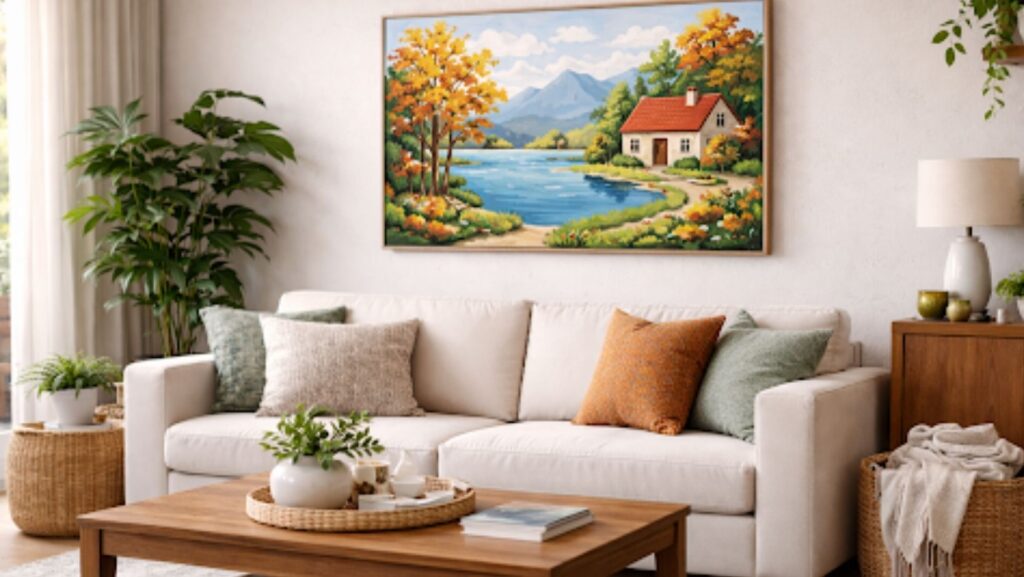
Most homeowners spend months planning a renovation – new floors, fresh paint, updated fixtures – and then hang a generic print from a chain store to finish the room. It’s a strange contradiction. You’ve put real thought into every other surface, but the walls get whatever was on sale.
Paint by numbers kits are a straightforward fix to that problem. The format is simple: a pre-printed canvas with numbered sections, a matched set of acrylic paints, and brushes. You don’t need any art background. You follow the numbers, fill in the sections, and end up with a finished painting that’s genuinely yours. For homeowners who want original art on their walls without paying commission prices or settling for mass-produced prints, it’s one of the most practical options available.
This guide covers how the kits work, why handcrafted wall art holds its own against bought pieces, and how to pick the right kit for your space.
Why Handcrafted Wall Art Works So Well in Modern Homes
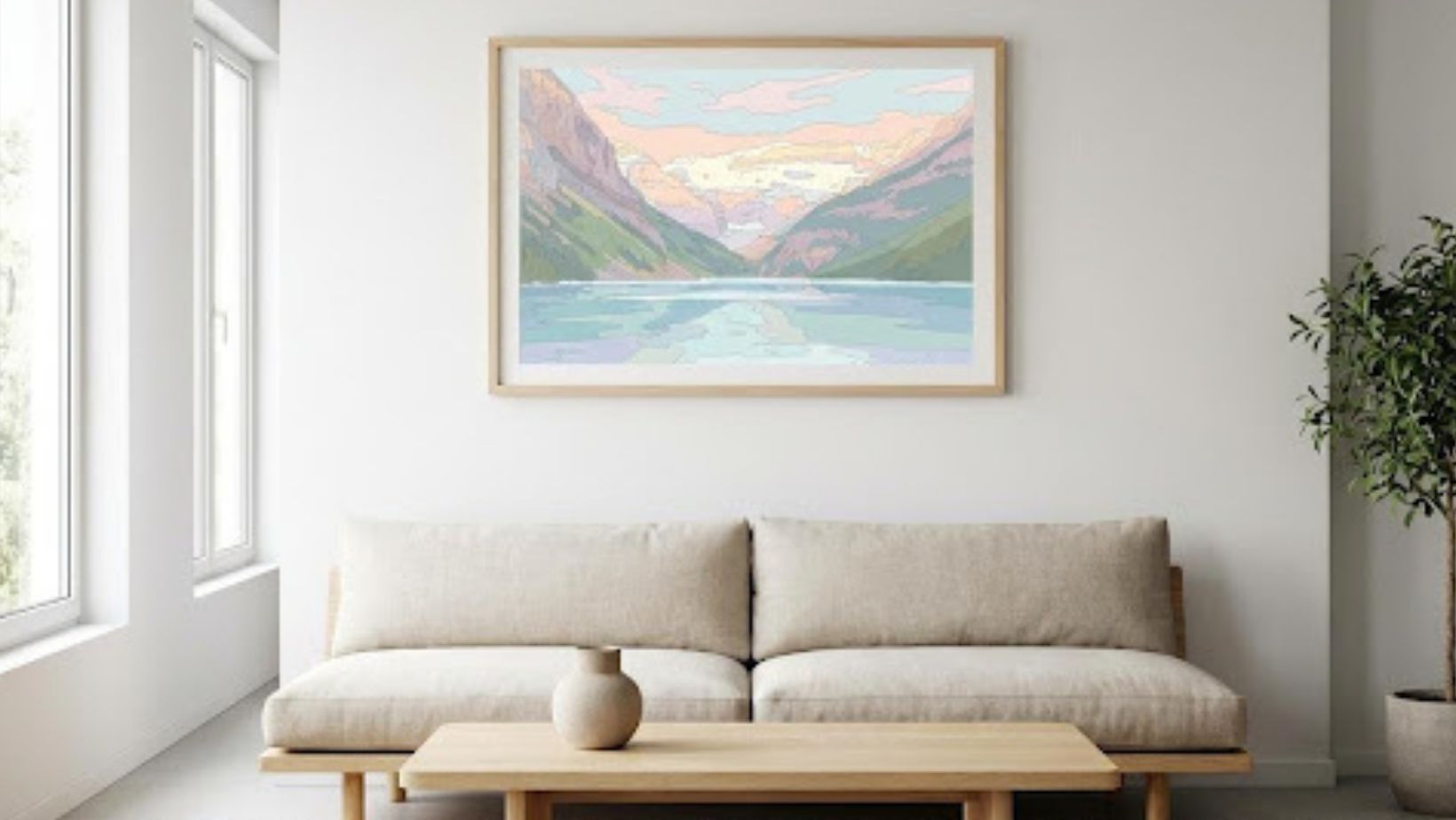
There’s a reason handmade art holds a different kind of weight in a room. A print you bought carries no story. A painting you made – even one guided by a numbered system – carries the hours you put into it, the choices you made on evenings when you picked up a brush instead of a remote control.
According to Mintel’s 2025 US Arts and Crafts Consumer Report, home decor is a leading motivator for nearly half of all US arts and crafts participants. People aren’t just making things for the sake of making things – they’re making things specifically to improve their living spaces. That tells you something about where the appetite for this kind of project actually comes from.
The design trends running through 2026 play well with what paint-by-numbers kits produce. Biophilic interiors – rooms that incorporate natural shapes, earthy palettes, and organic textures – are a strong fit for landscape and floral canvases. Minimalist rooms benefit from a single large-format piece rather than a gallery wall cluttered with mismatched frames. Abstract designs work well as statement pieces in living areas where the goal is visual interest without clutter.
For homeowners ready to try this, a good starting point is to explore painting kits organized by theme and canvas size – that way you can match a design to the room’s existing color palette before you commit to anything.
Framing makes a real difference at the end of the process. A standard frame from a craft store costs under $30 and immediately gives a finished canvas a gallery-quality look. Gallery-wrap canvases – where the painting wraps around the frame’s edges – work well if you prefer a more modern, frameless display.
How Paint by Numbers Kits Work
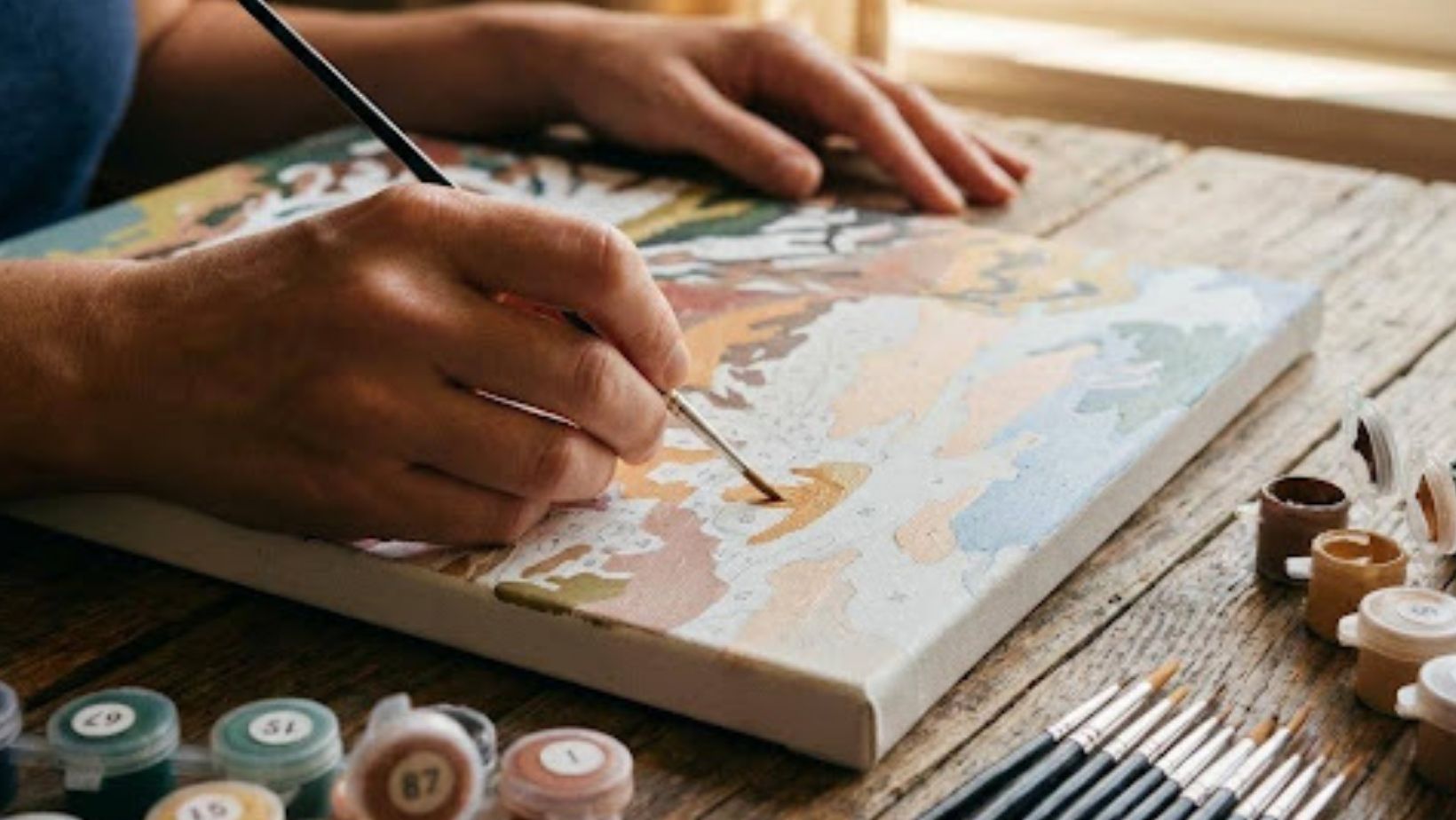
The format is designed to remove every barrier that stops people from trying to paint. The canvas arrives pre-printed with an outline of the image, and every section carries a number. Each number corresponds to a specific paint color in the included set. You paint each section its matching color, and the image builds up section by section.
No artistic decisions required. The composition is already set. Color relationships are pre-determined. Your job is methodical application, which turns out to be the part most people find genuinely relaxing.
Acrylic paints are the standard for these kits. They dry fast – usually within 20 to 30 minutes on the canvas – are non-toxic, and clean up with water. That makes them practical for kitchen tables and living rooms, not just dedicated studio spaces. A beginner-level kit at a standard size (roughly 16×20 inches) typically takes between 6 and 10 hours across several sessions. Larger canvases with finer detail sections run longer, sometimes 15 to 20 hours total.
One thing worth knowing: start with the darkest colors first. Dark sections anchor the image early, and painting lighter colors over dark sections that have dried cleanly is much easier than the reverse. It’s not a rule buried in instructions – most beginners figure it out around session two, after going back to fix something.
The Real Mental Health Case for Creative Hobbies
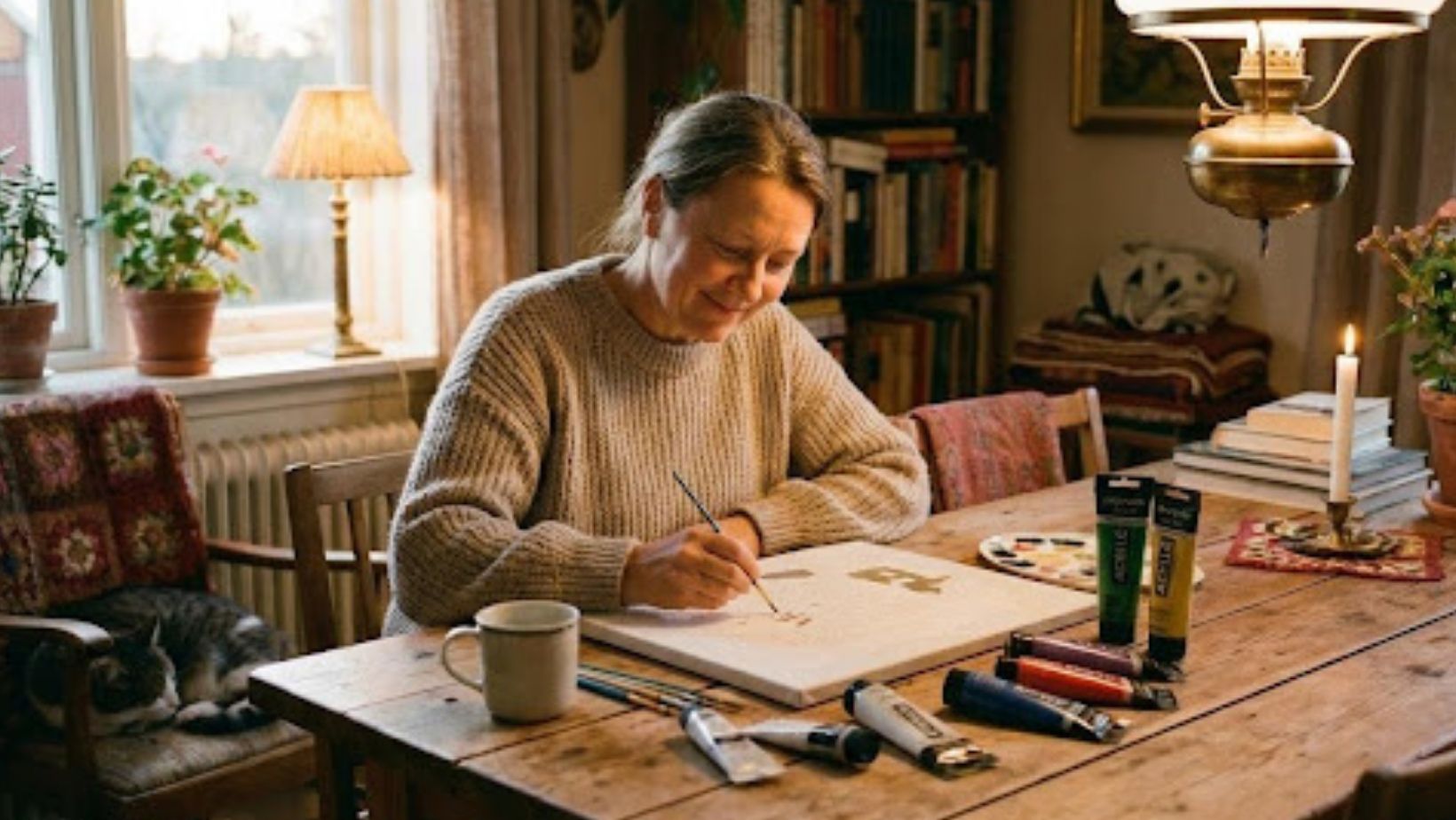
This isn’t about wellness marketing. There’s actual data behind it.
A 2023 American Psychiatric Association Healthy Minds Monthly Poll – conducted by Morning Consult across 2,202 US adults – found that 46% of Americans use creative activities specifically to relieve stress or anxiety. The same APA poll found that adults with very good or excellent mental health engage in creative activities at notably higher rates (71%) compared to those reporting fair or poor mental health (46%).
Paint-by-numbers fits that picture well. The format is structured and repetitive – exactly the kind of task that quiets mental noise without demanding active problem-solving. You’re not deciding what to paint. You’re not judging whether it looks right. You’re matching numbers to colors and filling sections. That’s it. The result is something close to the focused, low-stakes absorption that makes other repetitive activities like knitting, jigsaws, model building, effective at winding down an overloaded head.
Therapists and occupational health specialists have used structured art activities with patients managing anxiety, ADHD, and recovery for years. Paint-by-numbers maps onto that model well: clear structure, low pressure, tangible progress each session.
Take the position plainly: creative hobbies are a legitimate wellness tool. Not a luxury, not a distraction. A practical outlet that produces something you can hang on your wall.
Choosing the Right Kit for Your Space and Skill Level
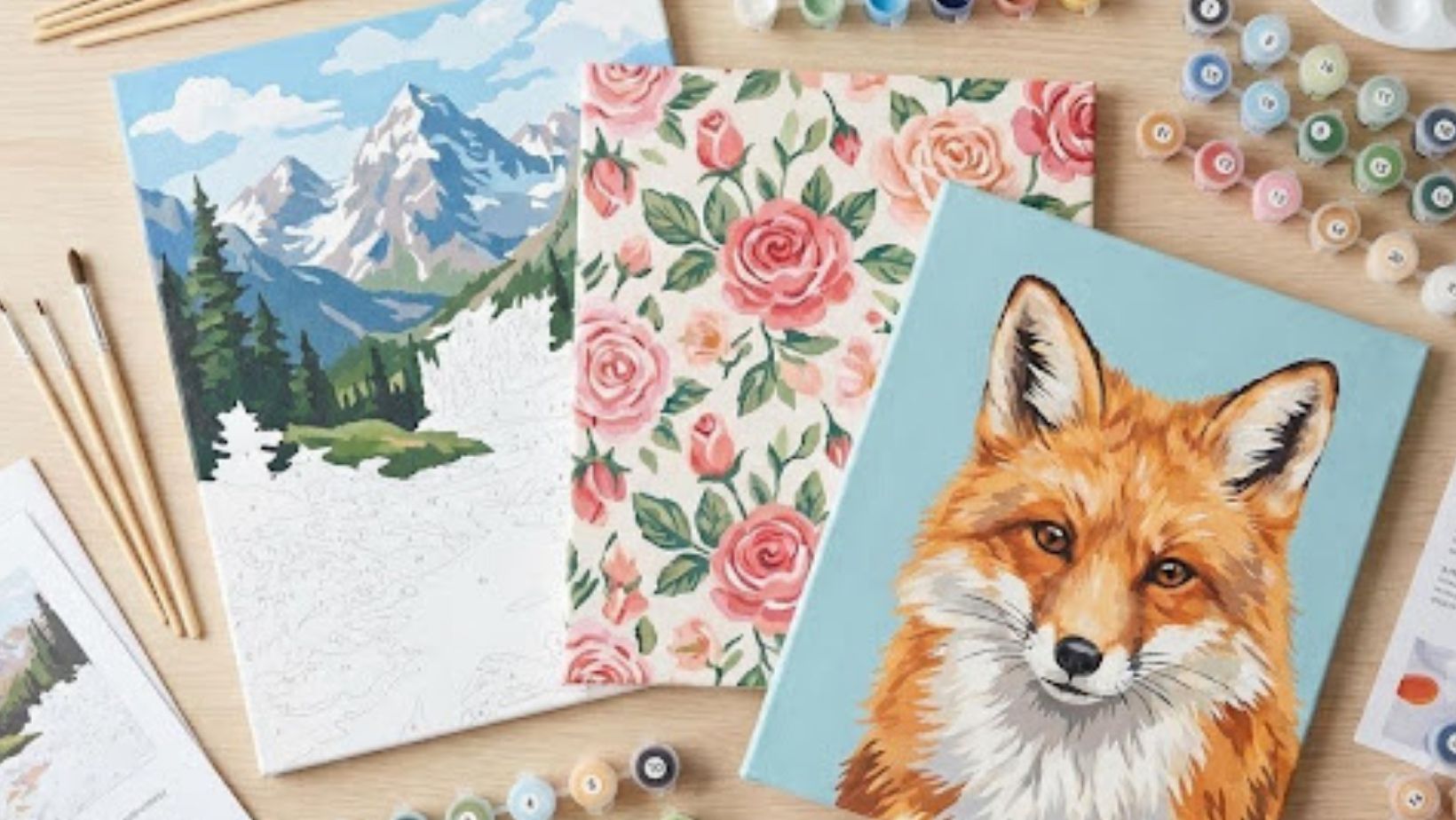
Choosing badly is easy. Picking a design you find beautiful but that’s a technical mismatch for your skill level leads to a half-finished canvas in a drawer. Three factors matter: design theme, canvas size, and color count.
- Design theme should match the room you’re decorating. Soft florals and gentle landscapes work well in bedrooms where calm is the goal. Bold abstracts and cityscapes suit living rooms where you want the piece to hold attention. If you’re uncertain, pick something with large, clean color blocks rather than intricate gradient work – it’s more forgiving on the brush and more striking on the wall.
- Canvas size determines time investment as much as anything else. A 12×16-inch canvas is manageable across two or three evenings. A 24×36-inch piece is a project you’re committing to over weeks. Neither is wrong – just know what you’re signing up for.
- Color count is the clearest indicator of difficulty. Fewer than 30 colors: beginner-friendly, forgiving, good for first kits. Thirty to fifty colors: intermediate territory, more nuance and detail work. Over fifty: fine detail, more patience required, better suited to someone who’s completed a few kits already.
The market has no shortage of options. According to Future Data Stats, the global DIY craft kits market was valued at USD 14.5 billion in 2025 and is on track to reach USD 27 billion by 2033. That growth reflects real consumer demand, which means more design options, better quality kits, and more price points to choose from.
Turning a Finished Painting into a Room Feature
Once it’s done, how you display a piece matters almost as much as the painting itself.
Framing is the quickest upgrade. A plain black or white frame from a craft store turns a canvas into something that reads as intentional decor rather than a craft project. For canvases with a lot of fine detail, floating frames – where the canvas sits slightly inside the frame – create a gallery aesthetic without covering the edges of the painting.
Grouping works well if you complete multiple pieces. Three medium canvases hung at the same height above a sofa or bed read as a cohesive installation rather than individual projects. Stick to a consistent framing style to keep it looking deliberate.
Lighting makes a significant difference. A small directional light – even a simple picture light mounted above the frame – brings out depth and texture in a way ambient room lighting doesn’t. It shifts the piece from “wall decoration” to something that looks like it belongs in a gallery.
One practical note: a coat of varnish (spray or brush-on, matte or gloss) applied after the paint is fully dry protects the canvas from dust and UV fading. It takes ten minutes and meaningfully extends how long the colors stay true.
Homeowners who are already tracking what adds value to their property know that aesthetic home upgrades matter more than most people account for – and original wall art is one of the lower-cost ways to improve how a room reads to visitors and potential buyers alike.
Getting Started Without Overthinking It
The main thing stopping most people is the belief they can’t paint. That belief doesn’t apply here. The format handles what skill would normally handle. You don’t need to know how color mixing works, how to construct a composition, or how to handle a brush beyond “fill in the numbered section.”
According to Mintel’s 2025 research, 71% of US consumers identify as crafters. Most people already see themselves as someone who can make things. Paint-by-numbers is simply a format that removes the blank-canvas problem and replaces it with a clear, numbered plan.
Start small. Pick one kit. Set aside a weekday evening with decent light and somewhere comfortable to sit. Open the paints, pick up the darkest color on your list, and start filling sections. You don’t need a dedicated workspace. A kitchen table and a sheet of newspaper work fine.
There’s also a community angle if you want it. Many hobbyists share their finished pieces in online groups, and those spaces are genuinely encouraging rather than competitive. It adds a social layer that some people find motivating, though the hobby works perfectly well as a solo, quiet activity.
For homeowners making broader decisions about their space, personal decor choices connect directly to real estate decisions – how a home feels to live in is a meaningful driver of long-term satisfaction with the property, not just resale optics.
Conclusion
Walls are the most underused surface in most homes. People renovate kitchens, update bathrooms, and replace flooring, then hang whatever’s convenient on the walls. Paint-by-numbers lets you change that without a significant budget or any prior experience.
The payoff is double: a calming creative habit that holds up well as a stress management tool, and a finished piece of original art that improves the room it hangs in. You made it, it fits the space you designed it for, and it didn’t cost what a commissioned piece would. That’s a better outcome than another stock print in a box-store frame.