
You’ve spent the entire morning scrubbing the kitchen, the bathroom sparkles, and the floors look better than the day you moved in. Then your property manager arrives, runs a finger along the top of a door frame, and pulls the fridge away from the wall.
That confident feeling you had five minutes ago vanishes on the spot. The difference between ‘clean’ and ‘inspection-ready’ is what costs most tenants a chunk of their deposit. And the following areas are what catch people out almost every single time.
The Oven and Hob
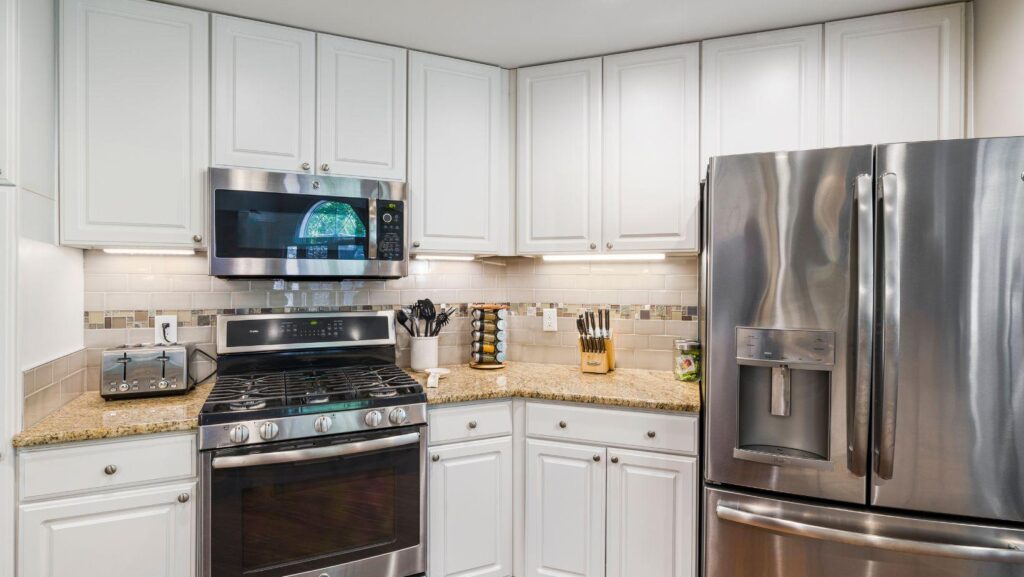
If your property manager is going to flag one item, it will be the oven.
The inside of the door glass often collects a brown film of grease that you can’t reach without removing the panel entirely. And the narrow gap between the hob and the countertop becomes a graveyard for crumbs, oil splashes, and whatever sauce you spilt back in March.
Then there’s the grill pan. Most tenants forget it exists until they pull it out and discover a layer of carbonised fat that no amount of wishful thinking will shift.
A paste of bicarbonate of soda left overnight will loosen the worst of it. But the oven door glass usually needs to be taken apart to clean properly, so budget extra time here because ovens are flagged on more inspection reports than any other item across London rentals.
Behind and Underneath Appliances
Once the oven is done, move on to the appliances. Fridges, washing machines, and other large units can hide months of dust, crumbs, grease, and spills that you never see during normal cleaning.
Pull each appliance out carefully and clean both the floor and the wall behind it. Pay attention to the sides and lower edges too, as grime tends to collect in spots your usual mop or vacuum can’t reach.
Washing machines need a little extra attention. Wipe around the detergent drawer and rubber door seal, where you’ll find moisture, lint, and the odd bit of grime hiding in the folds.
These are exactly the areas that are easy to forget during a move-out clean, but they’re also easy for a property manager to check once the room is empty.
Extractor Fans and Rangehood Filters
Before you leave the kitchen, look directly above you. That extractor hood has been choking on month-old bacon fat and cheap olive oil since you moved in, and now it’s time to deal with that buildup.
A quick once-over with a damp cloth usually leaves you with the same grease, just more evenly distributed.
Unclip the metal filters and soak them in hot water with degreaser. While they’re soaking, make sure to clean behind them. The fan blades and surrounding plastic are guaranteed to be covered in a thick coating of dust fused with old cooking grease.
Scrub it down. It takes twenty minutes, but it beats having your landlord scrape off three seasons of airborne lard and charge you for the privilege.
Bathroom Grout and Silicone Seals
Tile grout darkens gradually as it absorbs moisture and soap residue, and by the end of a tenancy the lines between your tiles can look completely different from how they started.
Standard bathroom spray won’t reverse that kind of build-up. You’ll need a dedicated grout cleaner and a narrow brush to work through each line properly.
Silicone sealant around the bath and shower tray is harder to rescue. Once mould has grown into the material itself, no amount of scrubbing will bring it back to white.
Stripping the old bead and applying fresh sealant is usually the only fix that actually holds up under inspection.
Limescale on glass shower screens deserves attention too. A vinegar solution left to sit for ten minutes will dissolve a light layer, but thicker limescale deposits may need a dedicated remover to clear completely.
Window Tracks and Frames
This is where most tenants lose marks without realising it. You clean the glass, feel satisfied with the result, and completely overlook the tracks sitting directly below.
Those tracks have a variety of dead insects, condensation residue, and black mould over the course of a tenancy.
A stiff brush or an old toothbrush will dislodge the debris, and a cloth soaked in warm soapy water will pull out more grime than you’d expect from such a small space.
The frames will need a wipe-down as well, especially along the top edges, where you’ll usually find a layer of dust, and around the hinges, where damp residue can collect.
Property managers always run a finger along these surfaces, and they can tell immediately when someone has only cleaned the glass.
Skirting Boards, Door Frames, and Light Switches
These are the details that nobody thinks about until they appear as line items on a deposit deduction.
Skirting boards collect scuff marks from shoes and vacuum cleaners, leaving dark streaks along the white paint that only become obvious once the furniture is gone and the room is bare.
Greasy fingerprints build up around door handles at exactly the height where you push through with a full cup of tea in the other hand.
Dust can settle along the top of every architrave like a thin grey blanket, and light switches develop a dull film that stands out the moment someone looks closely.
A microfibre cloth and a few minutes per room will sort all of this. But leaving it undone gives your property manager a list of small deductions that stack into a painful total.
Carpet Edges and Under Furniture
The final pass is the one most people run out of energy for. Dust and hair compact into a dense, visible line along the carpet where it meets the skirting board, and a standard vacuum will glide straight over it without picking up a thing.
And where heavy furniture has sat for months, the carpet underneath tells the full story of your tenancy. You’ll find deep impressions, a noticeably different shade from the rest of the room, and enough trapped dust to make you wonder how it all got under there.
Vacuuming thoroughly will improve things. But those flat, crushed patches often need a steam clean before the fibres can stand upright again, and if the inspection timeline is tight, this is usually where you’ll need professional help.
When to Call In Professional Help
Tackling this full list while also packing boxes, coordinating a van, and fielding calls from your new landlord can drain anyone. And when the deadline is close, cutting corners on the areas above is exactly how deposits get chipped away.
For tenants who want the job handled properly without losing an entire weekend, end-of-tenancy cleaning Chiswick-based services cover exactly this kind of work.
Professional teams bring industrial-grade equipment and know precisely which areas property managers flag most often.
Booking a few days before the inspection gives you a buffer to address anything that comes up, without the last-minute scramble that turns moving week into a disaster.
Conclusion
You now know exactly where property managers look and what they find when tenants don’t. So, work through the list from oven to carpets, give those forgotten corners the attention they deserve, and you’ll hand back those keys with your full deposit intact.