
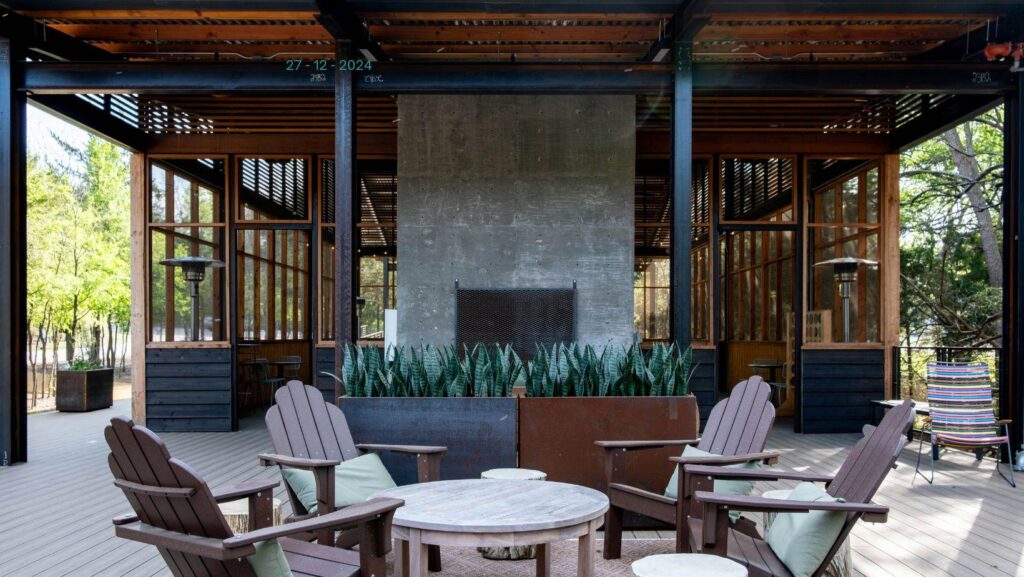
A tired backyard can drain the joy out of a perfectly good home.
Is your patio too hot to enjoy? Blinding sun by 2pm? And does your unused seating area just sit there collecting leaves? Sound familiar? Patio shade ideas have come a long way in recent years. Updating an outdated space doesn’t mean demolition.
With proper color, architecture and a few smart accents, an outdoor living space can transform from “good luck using it” to your home’s favorite room.
Here’s how to make it happen…
What you’ll discover:
- Why Outdoor Shade Matters More Than Ever
- The Best Outdoor Patio Shade Solutions
- Adding Structure That Actually Lasts
- Picking The Right Materials
- Pulling The Whole Look Together
Why Outdoor Shade Matters More Than Ever
Outdoor living has officially transitioned from being a “nice-to-have” to one of homeowners’ top priorities.
A new Houzz study revealed more than 50% of renovating homeowners upgraded their outdoor spaces in 2024 — and completed nearly two outdoor projects each on average. Backyards should feel like extensions of the home, not exposed slabs of concrete baking in the sun.
Actually there’s also a health benefit. According to the CDC, skin cancer is the most common cancer diagnosed in the United States, and one of the best ways to reduce your risk of UV damage is to seek shade.
That’s where quality roofing panel solutions for patio areas come into play. The correct colour roof can:
- Block harsh UV rays from above
- Drop patio temperatures by 10-15 degrees
- Protect outdoor furniture from sun damage
- Keep the space usable all year round
It’s not about being Pinterest pretty. It’s about designing a space that your family and friends will enjoy utilizing.
The Best Outdoor Patio Shade Solutions
Not all shade is created equal.
Every patio is different and requires different solutions depending on the design, climate and usage. Check out the top three outdoor patio shade solutions for homeowners today.
Pergolas With Roofing Panels
Pergolas used to be open lattice structures made of wood that provided little more than some dappled shade. Times have changed.
Modern pergolas now come with solid or louvred roofing panels that deliver:
- Real shade — not just decoration
- Rain protection during sudden showers
- DIY-friendly installation kits
- A clean, modern look that suits most homes
Aluminium panels are obviously the most popular option due to their rustproof nature, low maintenance and light weight. Polycarbonate panels are another fantastic option for those wanting some natural light shining through without glaring spots. Consider both.
Retractable Awnings
Want flexibility?
Retractable awnings offer you the advantages of both. Extend it when the sun is fierce during mid summer. Retract it when temperatures moderate and you desire open sky over your patio.
The majority of contemporary retractable awnings can now come fully motorised. This allows full control at the touch of a button. Some models are even fitted with wind and sun sensors. These automatically retract when the weather changes. Neat huh?
Shade Sails
Shade sails are the budget-friendly hero of patio shading.
They’re inexpensive, easy to DIY install, and can block up to 95% of UV rays depending on the fabric quality you purchase. The cons? Not a lot of rain protection and you’ll have to take them down when the winds are extremely strong. But for a relaxed, breezy, chic feel — you can’t go wrong.
Adding Structure That Actually Lasts
Shade is only one piece of the puzzle.
When spaces look cared for and considered, they also have architecture – nice defined spaces, anchor furniture and design elements that help the room feel purposeful and cohesive.
Here’s what good structure looks like in practice:
- A clearly defined dining zone with a proper outdoor table
- A separate lounging area with comfortable seating
- A weatherproof outdoor rug to anchor each zone
- Planters and greenery that act as natural dividers
If you get the structure correct, it no longer feels like an afterthought slab of concrete but like an outdoor room.
Vertical layers matter here as well. Plants on trellises or tall plants and privacy screens paired with string lights all help to draw the eye upward. Suddenly your space goes from feeling unfinished to cozier. Even the nicest shade structure can feel flat without them.
Picking The Right Materials
Materials matter — a lot.
Wrong material will fade, warp, rust or rot after a season or two of weather exposure. The correct materials can last 15+ years with minimal maintenance.
When choosing materials for a patio refresh, look for these key things:
- Weather resistance: rain, snow, wind, and constant UV exposure
- Low maintenance: no painting or sealing every single year
- Durability: rated for at least 10-15 years of outdoor use
- Style: matches the look and feel of the home’s exterior
Use materials like aluminum, powder coated steel, marine-grade polymer and correctly treated hardwoods. They are the highest quality materials available. They may be more expensive initially but you save money on repairs and replacements over time. Inexpensive materials will always cost you more.
Pulling The Whole Look Together
Now to bring it all home.
No matter how great your shade and structure, if you don’t add the finishing touches atop it all, you’ll fall flat. Attention to detail is what will turn your backyard from wasted space to family favorite hangout.
Focus on these final pieces:
- Lighting: string lights, lanterns, or low-voltage pathway lights
- Soft furnishings: weatherproof cushions, throws, and rugs
- Greenery: potted plants, climbers, and a few small trees
- Heating: a fire pit or patio heater for cooler nights
They’re inexpensive add-ons that take your outdoor space from blah to breathtaking. Your patio goes from simply a place to sit — to where your family actually wants to gather.
Final Thoughts
Refreshing an outdoor living area doesn’t have to be a massive, expensive overhaul.
The right outdoor patio shade solution, a little intelligent design, and some creative final touches can turn a drab patio into the crown jewel of your entire home. Let’s review:
- Start with quality shade — pergolas, awnings, or shade sails
- Build in structure with clearly defined zones for dining and lounging
- Choose materials that are built to last 15+ years
- Layer in lighting, greenery, and soft touches at the end
The patio has evolved from being an afterthought to an addition on the back of your house. Now it’s an extension of your home. Here’s how treating it like one will ensure a gathering place that’s used every weekend, not just during the summer.
Time to get outside and start refreshing.