
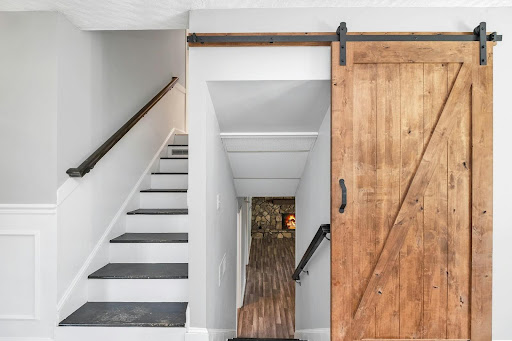
Feeling cramped at home is a common issue. You might want a larger living area or a more open layout. A full renovation can be expensive and disruptive. However, a smart update to your doors can make a significant difference. The right internal door choice can transform how space is used and perceived. This guide explores how innovative door styles can help you gain precious square footage and improve your home’s flow.
Replacing Traditional Swing Doors
Standard hinged doors need clearance to open. They swing into a room or hallway, occupying valuable floor space. In tight areas, this can limit furniture placement. A simple and effective solution is installing sliding internal doors. These systems glide along a track mounted above the doorway. Because they do not swing inward or outward, they reclaim all the floor space normally needed for arc movement. This creates new options for arranging your room.
Maximising Space in Narrow Rooms and Hallways
Some areas are naturally cramped. Long, thin rooms or tight corridors suffer most from swinging doors. A sliding door is perfect here. It simply moves sideways along the wall. This allows you to place furniture closer to the doorway. You can use the full length of the wall without obstruction. In a hallway, it prevents doors from clashing with each other, making circulation smoother and safer for everyone.
Enhancing Open Plan Living Flexibility
Modern homes often favour open plan living. Yet, sometimes you need to divide a space temporarily. Sliding doors offer this versatility beautifully. Large patio style sliding systems can connect a kitchen to a garden room. Room dividers on a track can separate a living area from a dining space when needed. When open, they disappear into a wall pocket or sit neatly to the side, maintaining the open feel. This provides the best of both worlds: a spacious atmosphere with the option for privacy.
Improving Natural Light and Visual Connection
Doors with glass panels enhance a feeling of space. Light can travel freely between rooms, making each area feel brighter and larger. A sliding door with a full glass pane allows visual connection even when closed. This prevents rooms from feeling like isolated boxes. The continuity of light and view through your home makes the entire layout feel more expansive and connected.

Choosing the Right Sliding System for You
Different sliding mechanisms suit various needs. A standard single door on a surface mounted track is a common choice. For a sleek, modern look, consider a pocket door that slides completely into the wall cavity. Barn door styles with a visible track offer rustic character. Bypass doors, where two panels slide past each other, are ideal for wider openings. Consider your wall structure and desired aesthetic when selecting the system.
Considering Practicalities and Installation
Think about daily use and installation requirements. Sliding doors need a sturdy track and smooth rollers for reliable operation. Pocket doors require sufficient wall depth for the door to recess into. Always ensure the chosen door and track can support the weight of the panel, especially for larger glazed options. Professional installation is often recommended to ensure perfect alignment and smooth, long lasting performance.
Complementing Your Home’s Existing Style
Your new doors should enhance your decor. Sliding doors come in many materials and finishes. You can match them to existing internal doors for consistency. Choose from wood, painted finishes, or aluminium frames for a contemporary edge. The style of handle or pull should also complement your home’s overall design language, ensuring the upgrade feels integrated, not added on.
Gaining more space does not always require building an extension. By rethinking your internal doors, you can unlock hidden potential in your existing layout. Sliding doors are a particularly powerful tool, eliminating the wasted space of door swings and improving flexibility. They help create a home that feels larger, brighter, and more adaptable to your lifestyle, all through one intelligent design change.