
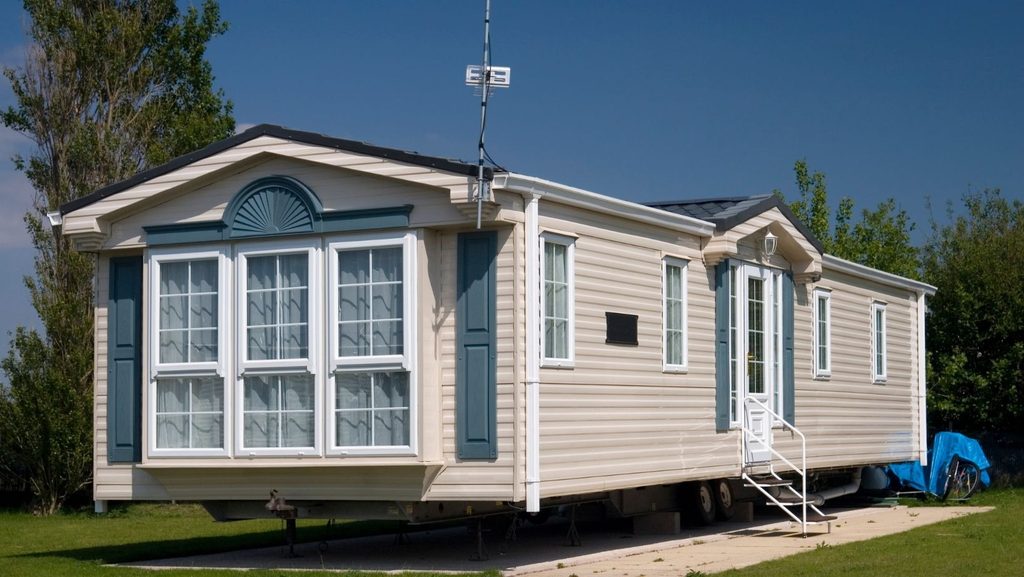
Living in a manufactured or mobile home offers incredible flexibility and affordability, but keeping monthly utility bills under control can sometimes feel like an uphill battle. Older factory-built structures often suffer from thinner wall profiles, minimal insulation, and drafty window seals that allow conditioned air to escape rapidly. Fortunately, strategic retrofits and daily habit adjustments can dramatically lower your heating and cooling expenses throughout the year. Upgrading your exterior wall protection with modern insulated mobile home siding helps lock in conditioned air while shielding the structural framing from harsh weather elements. Implementing a few high-impact energy efficiency hacks will keep your living space comfortable without draining your bank account.
Sealing the Building Envelope: Stopping Drafts at the Source
The building envelope encompasses the floor, exterior walls, windows, and roof of your home. In manufactured housing, small gaps along this envelope account for up to thirty percent of conditioned air loss. Locating and sealing these leaks is the most cost-effective retrofit any homeowner can undertake to restore thermal resistance.
Air Sealing Windows, Doors, and Electrical Outlets
Single-pane windows and metal-framed exterior doors are notorious thermal bridges in manufactured homes. Inspect the weatherstripping around every entry door and replace dried or cracked rubber seals immediately. For windows, apply high-grade exterior-rated silicone caulk along outer frame joints. On the inside, install foam insulation gaskets behind electrical outlet covers located on exterior-facing walls, as unsealed electrical boxes allow cold air to draft directly into living spaces. Applying temporary window insulation film during winter months provides an inexpensive second barrier against heat loss.
Inspecting and Repairing the Belly Blanket
Underneath your mobile home lies the belly cavity, a critical space housing ductwork, plumbing pipes, and floor insulation held in place by a bottom board or belly blanket. Rodents, plumbing repairs, or age can tear this protective barrier, allowing icy winter air or summer humidity to flood your floor cavity. Crawl under your home annually to inspect the belly lining thoroughly. Patch tears using heavy-duty belly repair tape or polyethylene patches attached with spray adhesive. Restoring this bottom layer prevents cold floors, protects plumbing lines from freezing, and stops costly thermal loss.
Optimizing Heating, Ventilation, and Air Conditioning Systems
Heating and cooling systems in manufactured homes work significantly harder when air distribution ductwork is compromised. Because duct networks are integrated directly into floor cavities or roof trusses, leaky ducts vent heated or cooled air into crawlspaces rather than living areas.
Sealing and Insulating Crossover Ducts
For double-wide or multi-section manufactured homes, the crossover duct bridges the air supply between home sections beneath the floor. Flexible crossover ducts frequently sag, tear, or disconnect due to animal activity or shifting soil underneath. Crawl beneath your home to ensure the crossover duct is suspended off the ground and tightly clamped at both connection collars. Wrap the flexible duct in foil-faced fiberglass duct insulation and seal all joints with mastic sealant—never standard cloth duct tape, which degrades rapidly under heat.
Installing a Programmable Smart Thermostat
Upgrading from an outdated dial thermostat to a programmable or smart model yields immediate energy reductions. Set automated schedules to lower heating temperatures during winter work hours and overnight sleep periods. During summer, program the system to allow temperatures to rise slightly while the home is unoccupied. Avoiding continuous cooling when no one is home lowers monthly power bills without sacrificing comfort when you return home.
Exterior Upgrades and Thermal Barrier Protection
Protecting the exterior shell of a manufactured home reduces solar heat gain in summer and blocks arctic wind pressure during winter. Investing in targeted exterior barriers preserves structural health while optimizing utility budgets.
Adding Skirting and Ground Vapor Barriers
Skirting acts as a primary windbreak for the underside of your manufactured home. Damaged or missing skirting panels allow cold winds to sweep under the floor, rapidly chilling water pipes and floorboards. Ensure your skirting is completely intact and equipped with proper ventilation louvers to prevent moisture accumulation. Before securing skirting, lay a six-mil polyethylene ground vapor barrier across the bare soil beneath your home to block ground moisture from evaporating into floor framing and causing mold.
Applying Reflective Roof Coatings
Metal and dark asphalt roofs absorb massive amounts of solar radiation during summer months, turning interior ceilings into radiant heaters. Applying an elastomeric white roof coating reflects up to eighty percent of sunlight away from your home. This elastomeric membrane lowers roof surface temperatures dramatically, reducing air conditioning workloads during peak heat spells while sealing minor roof seam leaks against driving rain.
Smart Daily Habits for Immediate Energy Savings
Beyond structural upgrades, minor behavioral tweaks produce cumulative financial savings over time. Run ceiling fans counterclockwise at low speeds in winter to push rising warm air back down toward floor level. Switch incandescent light bulbs to energy-efficient LED alternatives, which use seventy-five percent less electricity and emit virtually no waste heat. Utilize heavy thermal curtains over south-facing windows to block daytime solar heat in summer, or open them on bright winter days to capture natural solar warmth.
Achieving high energy efficiency in a manufactured or mobile home does not require an overwhelming financial transformation. By methodically sealing building envelope drafts, optimizing ductwork, protecting exterior barriers, and forming efficient daily habits, you transform an older structure into a tight, cost-effective sanctuary. Taking proactive control of your home’s thermal performance keeps monthly utility expenses low while ensuring year-round living comfort.