
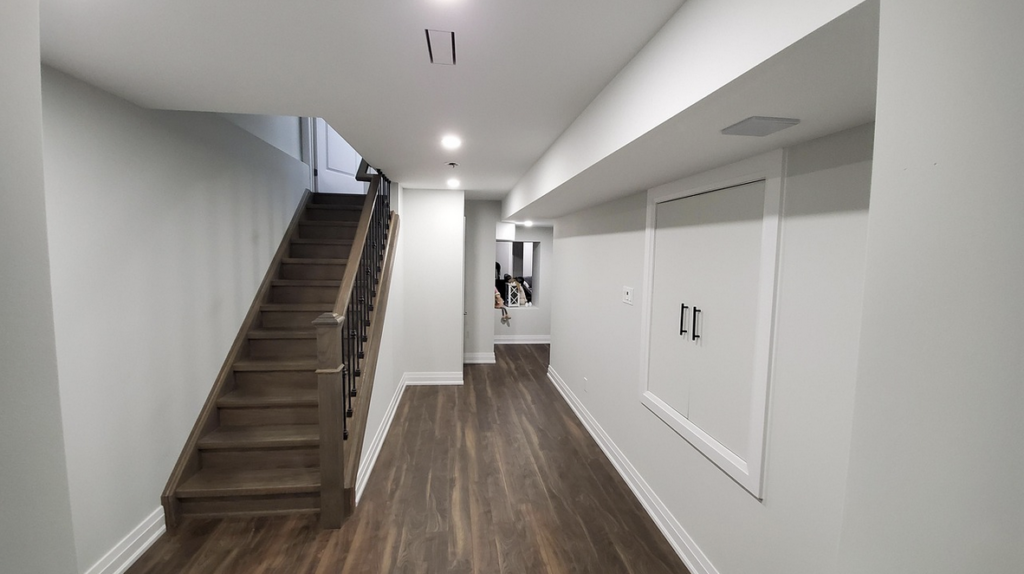
There’s an old saying that goes something like this: Make the most of what you have; things could always be worse. While not entirely apropos, there is merit in these words for home renovations. The diction itself speaks volumes. You are renovating your home, not replacing it. The idea of creating a beautiful new living space is well worth it if you can do it affordably. Most people avoid major home renovations because they are simply out of budget. If you’ve recently purchased a home, congratulations are in order.
However, if anything needs doing, you’ll need a financial cushion. That’s where most people fall short nowadays. The median cost of a home in 2026 is around $440,000. If you have a traditional mortgage, and you’re not a veteran, you may be looking at added expense. Why? Because traditional mortgage lenders typically require a down payment. If you don’t have money for a down payment, don’t fret. PMI gets added onto your mortgage repayment to cover the absence of a 20% down payment. It may seem small from month to month, but the costs quickly add up.
What type of homeowner are you?
If you’re a new homeowner, welcome to the club. If you’re in the process of applying for a mortgage, your personal status may help you. For example, there are mortgage programs for indigent populations in many states. If you’ve never owned a home before, you may qualify for first-time homeowner benefits. These are certainly worth exploring because they make homeownership more affordable. If perchance you are a veteran, there are many VA loan benefits available. Remember the down payment requirement for most mortgages? There is no down payment requirement for VA loans. A veteran with a Certificate of Eligibility may qualify for a VA loan. If approved, no down payment is needed.
It’s a curious phenomenon, but one that is greatly appreciated by veterans. The Department of Veterans Affairs partially guarantees VA loans offered by private mortgage lenders. If a borrower defaults, there is some recourse for the lender. This makes it easier for private lenders to fast-track these loans to veterans. Naturally, all contractual obligations come with specific rules, terms, and conditions. It’s incumbent upon borrowers to carefully review the terms of their chosen mortgage lender to understand the details. The absence of a down payment means that any savings that are available can be used for renovations. It’s a win-win for veterans.
Why are some homeowners house poor?
The term ‘house poor’ is part of our cultural zeitgeist. It’s almost a contradiction in terms, since the perception is that only people with means are able to own their own homes. Yet, there are many folks who contribute almost all their income to repaying their mortgage. This leaves them with a house, but it also leaves them very cash poor. Rising interest rates, inflation, and a tough job market make it difficult for some folks to own their own homes. And if they’re lucky enough to qualify, it’s often a struggle to make ends meet every month. If you’re on a different wicket and flush with cash, discretionary spending is easier. This means spending on renovations is possible.
Remodeling a home ranks up there with other great investments. Some folks renovate for personal reasons; more livable, comfortable, or accessible. That’s an investment for you and your family. Renovations may also improve your home’s resale value. But remember not to overcapitalize. For starters, spruced-up floors, ceilings, kitchens, bathrooms, bedrooms, and common areas rejuvenate homes. These upgrades can transform a caterpillar into a butterfly – you get the imagery. But that’s only if you have the cash to make it work. It’s always best to negotiate certain items at closing. If they really want the sale, sellers may be willing to make certain upgrades available to make their home more attractive to buyers. If not, there are likely other options.
How are homeowners financing their renovations today?
It depends on how much liquidity is available. If homeowners have substantial savings, they can simply pay cash for the renovations and be done with the expenses. If not, it’s all about borrowing. There are different tiers of borrowing that are possible. Broadly speaking, there are low-interest loans, such as personal loans, and high-interest financing. Think credit card repayments. Naturally, it’s best to avoid credit cards for home renovations because these debts quickly spiral into big numbers. Personal finance experts caution against 24–30% APR; credit card debt is one of the leading burdens on American homeowners. Fortunately, some big league contractors offer in-house financing at affordable rates; it’s certainly much better than what the credit card companies charge.
The flipside of the coin – you don’t need to pay for innovations if you do this
FYI, it’s often cheaper nowadays to buy a brand-new home with all the features already in it, than to remodel an old home and upgrade it to modern-day standards. As a case in point, 55 and up communities offer brand new homes in active communities at a fraction of the cost of more established homes outside of those communities. Sometimes, it’s best to buy a package deal and avoid the piecemeal renovations that eat into your savings or disposable income.