
Minimalism has dominated interior design trends for over a decade. But in the West, it often feels sterile. White walls, gray sofas, and the constant pressure to own fewer things. It looks clean—but it rarely feels warm.
Then came the pandemic. Then came the heatwaves. And suddenly, designers and homeowners started looking toward the equator.
Tropical Minimalism isn’t just Scandinavian design with more plants. It is a fundamental shift in how we interact with space. It doesn’t ask “How little can we own?” but rather “How little do we need to feel comfortable in 32°C weather?”
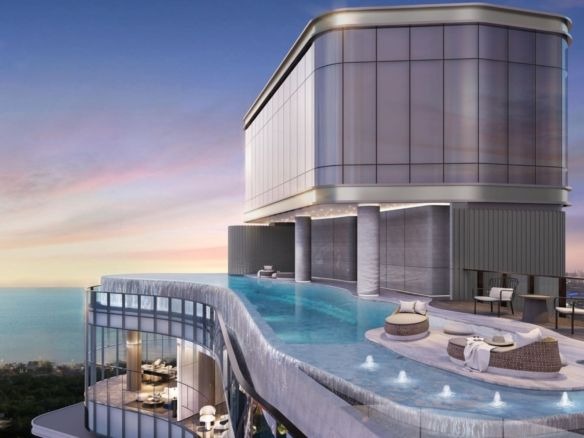
And if you want to see this philosophy executed at its highest level, look no further than the newly developed property for sale in Phuket, where the line between interior and exterior has been not just blurred—but intentionally erased.
Less Stuff, More Air
Tropical minimalism prioritizes airflow over furniture. In traditional Western homes, we design around objects: sofas, wardrobes, cabinets. In tropical design, we design around air. Open floor plans aren’t a luxury feature—they are a cooling system.
Ceilings are higher. Walls are fewer. Sliding glass doors don’t just lead to the garden; they become the garden.
Material Psychology
Here is where it gets interesting. In cold climates, we insulate ourselves with soft textures: wool, velvet, thick drapes. These materials signal safety and warmth.
In the tropics, the brain craves the opposite. Cool stone, raw wood, linen, rattan. These materials don’t just look different—they feel different. They signal breathability. They lower heart rates.
Designers now refer to this as thermo-aesthetic comfort. It’s not about how a room looks; it’s about how the room makes your skin feel.
The Death of the “Feature Wall”
Tropical minimalism rejects the idea that a room needs a focal point. Instead, it treats the entire volume of the space as one living organism.
You don’t look at one painting. You look through the room, past the terrace, into the canopy of a tamarind tree. The view is the art. The light is the color.
Why This Matters for Mental Health
There is a reason Phuket has become a hub for wellness retreats and burnout recovery. The architecture itself acts as therapy.
In a tropical minimalist home, there are no dark corners. No unused rooms that gather dust. No clutter accumulating in places you can’t see. Everything is visible. Everything breathes.
Psychologists call this environmental transparency. When your space is open and uncluttered, your mind follows.
The Future Is Humid
As remote work stabilizes and climate patterns shift, we will see less demand for “cozy” and more demand for light. The next generation of luxury living isn’t about how many rooms you have—it’s about how many of those rooms can have the doors fully open.
Tropical minimalism isn’t a trend. It is the logical evolution of how humans want to live in a warming world.
And for those already living in it? They didn’t buy a house. They bought a climate.