
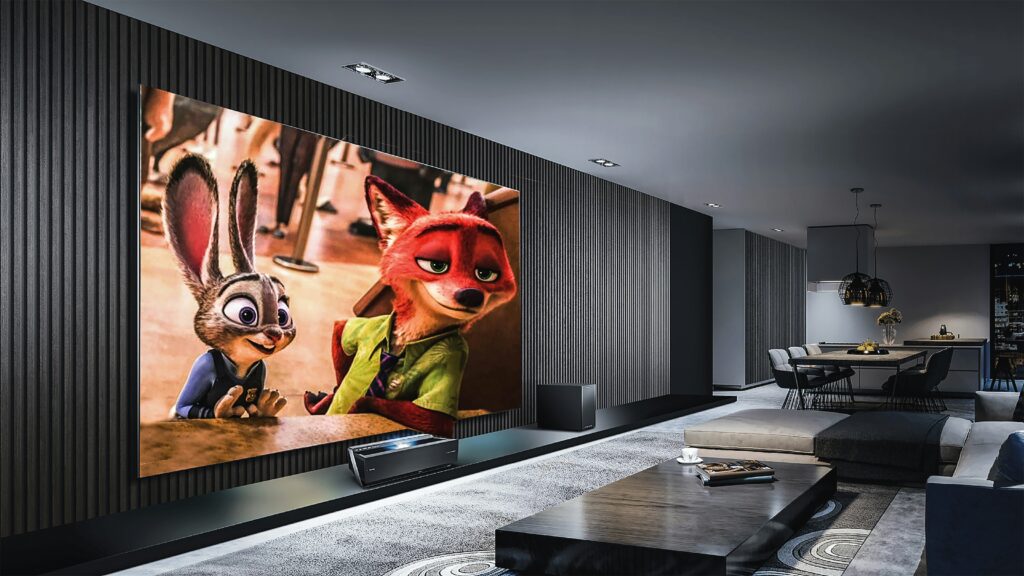
I’ve watched home game rooms evolve from that depressing basement corner—peeling pool table felt, flickering fluorescent light overhead—into spaces that honestly feel like portals to somewhere else. The modern luxury home arcade isn’t a storage unit for your toys. It’s what I started calling “Sensory Immersion Architecture,” which sounds pretentious until you experience it: the room itself becomes part of the game. High-fidelity audio that makes your chest vibrate with engine roar. Intelligent lighting that pulses with on-screen explosions. Ergonomic flow that lets you drift between zones without stepping on cables or elbowing someone mid-swing.
Whether you’re gutting a dusty garage to build a retro arcade shrine or converting your basement into a high-tech simulation command center, the gap between “nice attempt” and “holy shit” comes down to infrastructure. And I’m not talking about slapping up some neon strips and calling it done. This guide digs into the structural and technological groundwork that separates cluttered rec rooms from spaces that genuinely pull you out of reality.
How to Design a Layout for Social Flow?
Here’s what I’ve figured out after too many failed attempts: you need distinct “activity zones” that keep the chaos separated from the chill-out areas. High-energy gaming should be physically distant from passive lounging, but you still want clear sight lines connecting them. This solves the classic problem where everyone crowds one machine while the rest of your expensive room sits ignored.
In a luxury setup, space optimization isn’t a suggestion—it’s foundational. I had to relearn this when I installed my first pool table without accounting for cue swing space. You need 5 feet clear on all sides, minimum, or you’re smashing drywall every other shot. Same applies to VR rigs—the active footprint is way bigger than the headset suggests. The absolute worst layout mistake? Running your main pathway directly through active gaming zones. It murders immersion and somebody’s gonna bump expensive equipment mid-session.
Instead, I lean on multi-functional gaming furniture to bridge these zones naturally. A bespoke Wyrmwood gaming table, for instance, works as a dining surface when you’re doing refreshments and flips into a board game battle station later. The transition between zones should feel smooth but intentional—not accidental.
When I designed my dedicated card area, I wanted to capture that sophisticated energy you get at places like Lama Bet Casino. Custom felt-lined tables. High-back leather seating that encourages leaning in conspiratorially. Mood lighting that whispers “adults only” without being tacky about it. This social zoning approach lets the room handle wildly different energy levels simultaneously—someone’s locked into a poker tournament with genuine stakes while others casually observe a billiards match. It just works.
How Do You Engineer Cinematic Immersion?
Real immersion happens when the room reacts to what you’re consuming. I’m talking precise calibration of acoustic treatments and lighting layers that control how sensory information reaches your brain. When done right, the boundary between physical space and digital world basically evaporates.
Beyond Neon: Intelligent Lighting Layers
Basic LED strips are fine for decorating a college dorm. But a luxury environment demands smart lighting design ecosystems—Philips Hue, Lutron, systems like that—creating reactive “scenes” instead of just static glow. These need to integrate directly with your gameplay, not sit there looking pretty.
Picture this: RGB lighting strips mounted behind your screen that mirror the dominant color palette of your video game in real-time. Or overhead dimmable track lighting that automatically drops when a movie fires up. I use bias lighting to cut eye strain while accent lights highlight architectural features—exposed brick, memorabilia displays, that vintage arcade marquee I salvaged. It’s not purely aesthetic theater; it’s functional engineering that happens to look incredible.
The Hidden Luxury of Acoustic Control
Nobody warns you about this: soundproofing and internal acoustics are the most criminally overlooked upgrade in high-end game rooms. I made this exact mistake early on—installed premium speakers in my concrete basement and ended up with muddied audio because of echo and reverb bouncing everywhere. Total disaster.
The fix? Acoustic panels wrapped in premium fabrics that complement your decor instead of screaming “recording studio.” For true isolation—preventing the roar of a surround sound system from waking everyone upstairs at 2 AM—contractors install mass loaded vinyl inside the walls plus heavy velvet blackout curtains. This acoustic engineering means whether you’re creeping through a stealth mission or redlining a racing simulator, the audio stays crisp, directional, and contained exactly where you want it. No bleed. No mud.
What Equipment Anchors a High-End Experience?
The equipment should double as functional art. I’ve learned that selecting for craftsmanship and technological pedigree beats just chasing raw gameplay value. A carefully curated collection of two or three premium machines makes a stronger visual and experiential statement than rows of random stuff competing for attention.
The Resurgence of Mechanical Gaming
In our aggressively digital world, tactile feedback has somehow become a status symbol. Jersey Jack Pinball machines and limited-edition Stern Pinball cabinets aren’t just entertainment—they’re kinetic sculptures. These machines pack complex mechanical toys, RGB light shows that rival concert rigs, and rule sets that honestly compete with modern video games in strategic depth.
When positioning these beasts—they’re heavy—you need reinforced flooring and accessible power outlets planned beforehand. Trust me, nothing kills the luxury vibe faster than extension cords snaking across your floor like desperate electrical vines.
Simulation Technology and Virtual Reality
For ultimate immersion, high-end simulation tech is where I’ve dropped serious money without regret. A full-swing golf simulator using Trackman technology. A dedicated racing cockpit with direct-drive steering wheels and triple 4K monitors. These aren’t toys pretending to be tools—they’re training instruments that happen to be insanely engaging.
But they demand brutal spatial honesty. A golf sim needs high ceilings—9 to 10 feet minimum—to accommodate the swing arc safely. I learned this after nearly punching a 7-iron through my ceiling during an overly enthusiastic approach shot. Similarly, a dedicated VR room requires a clear, obstacle-free footprint of at least 6×6 feet to prevent injury during active sessions. Give yourself room to move without fear.
The Invisible Backbone: Infrastructure and Automation
The invisible backbone consists of electrical, data, and HVAC systems keeping high-performance electronics alive without catastrophic failure. Before you hang a single poster or mount one screen, evaluate your home’s amperage capacity. A room housing multiple pinball machines, a 4K laser projector, and a gaming PC can easily overload a standard circuit—I’ve tripped breakers mid-session more times than I’ll admit. I eventually installed dedicated 20-amp circuits to ensure stable power delivery. Problem solved.
Latency is gaming’s silent assassin. Relying on Wi-Fi is straight-up amateur hour in a luxury build. Serious renovations include structured wiring—Cat6a or fiber optic cabling—run to every display and console location for zero-lag performance. The difference is immediately, viscerally noticeable. Your inputs feel direct. No ghost delay ruining your timing.
Finally, don’t ignore climate control systems. High-end electronics generate absurd amounts of heat. I installed a dedicated mini-split system with smart thermostat integration via Control4 automation. The room stays comfortable year-round, my equipment stays protected from thermal stress, and guests don’t leave drenched in sweat like they just finished cardio.
Key Takeaways for Your Renovation
Designing the ultimate entertainment zone means looking past individual games to the architecture of experience itself. Prioritize social zoning layouts that let different energy levels coexist. Engineer your lighting and acoustics for genuine immersion, not superficial decoration. Curate statement equipment that functions as art while delivering performance. And fortify your electrical infrastructure before anything else enters the room.
True luxury isn’t about what you play. It’s about how the room makes you feel while you’re inside it.