
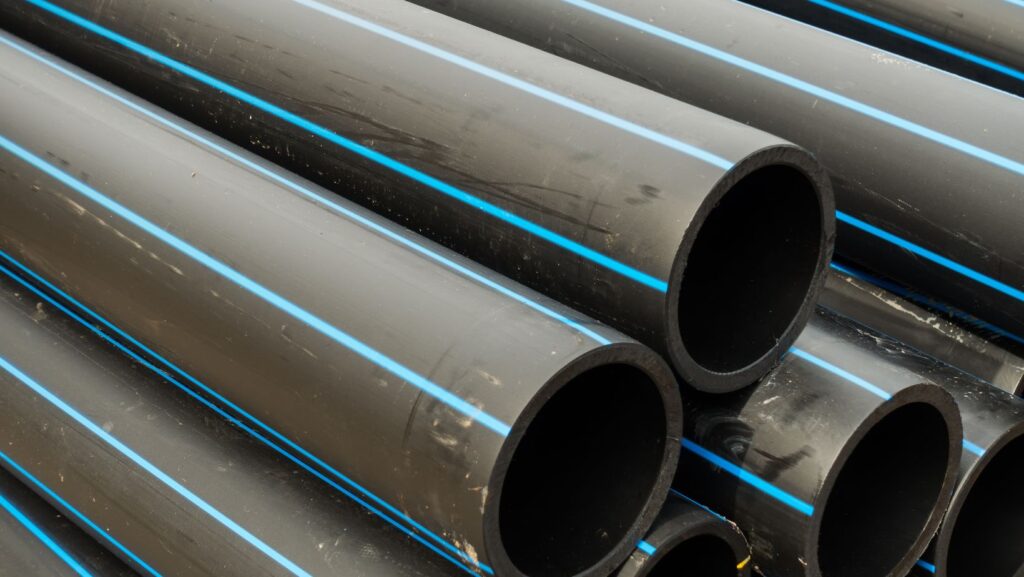
High-Density Polyethylene, commonly known as HDPE, is a remarkably resilient thermoplastic that has become a staple in modern manufacturing and DIY circles alike. As one of the most widely used plastics globally, its reputation for durability and chemical resistance makes it a go-to solution for demanding environments.
Whether you’re a professional builder or a home hobbyist, understanding the properties of this material is the first step toward successful project planning. Read along to learn more about how this versatile material can support your specific needs.
What Makes HDPE Sheets Unique?
The strength of HDPE comes from its dense molecular structure. Unlike other plastics that might become brittle over time, HDPE remains flexible yet incredibly tough. This material doesn’t absorb moisture, which means it won’t rot, swell, or develop mould when exposed to wet conditions. It’s also resistant to a wide range of chemicals, making it ideal for industrial storage or laboratory settings where spills are a possibility.
Some suppliers offer various customisation options , including different colours, sizes, and thicknesses. When you order HDPE sheets, you’re investing in a product designed for longevity. Because the material is so easy to work with, it’s a popular choice for those who need a reliable barrier or structural component that can withstand significant wear and tear.
Technical Features and Fabrication
One of the greatest advantages of HDPE is how easily it can be shaped to fit your requirements. It’s possible to use standard woodworking tools to cut or drill the material, though professional finishing often yields the best results. Expert plastic fabrication services, such as CNC Routing and CNC Laser Cutting ensure your materials are prepared with absolute precision.
You’ll find that the material is well-suited for several unique finishing touches. These include:
- Cut-to-size materials tailored to your exact measurements.
- Edge polishing for a smooth, professional appearance.
- Rounded corners to improve safety and aesthetics.
- Pre-drilled holes to make installation faster and easier.
Common Applications of HPDE Sheets
Because HDPE is so robust, it’s used across a diverse array of sectors. You’ll frequently see it in the public sector and construction industries, where it serves as a durable lining or protective layer. It’s also a favourite in the retail and sign-making worlds because it can handle the rigours of high-traffic environments without showing significant damage.
In more technical fields like engineering and education, HDPE is valued for its consistency and ease of use. For homeowners and DIY enthusiasts, it’s an excellent choice for garden projects or shelving because it’s easy to maintain and keep clean. You don’t need specialised cleaners to keep it looking new; usually, a simple wipe-down is all that’s required.
The Key Takeaways
Choosing the right material doesn’t have to be a complicated process. HDPE offers a unique combination of strength, chemical resistance, and ease of fabrication that few other plastics can match. From its eco-friendly credentials to its impressive lifespan, it’s a material that truly offers value for money in almost any application.