
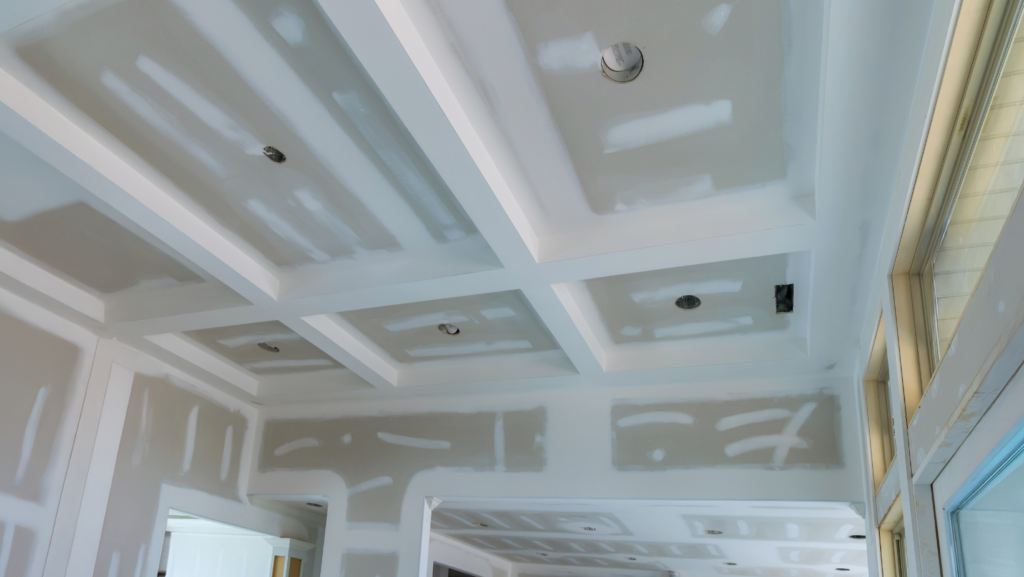
Newly built homes often look flawless on move-in day, yet comfort problems can show up quickly once daily living begins. A bedroom may run warmer than the rest of the house, a living room might feel drafty even with the thermostat set correctly, or the second floor may never match the first. These issues are common in new construction because comfort depends on how the HVAC design, duct layout, insulation, windows, and thermostat controls work together in real conditions—not just on the blueprint. HVAC contractors resolve these problems by measuring airflow and temperature patterns, correcting imbalances, and adjusting equipment settings so that every room receives the appropriate amount of conditioned air.
Where Comfort Problems Start in New Construction
Many comfort complaints in new homes begin with small design or installation details that compound over time. Duct runs may be too long or too tight, supply registers may be placed in locations that don’t promote good circulation, or return air pathways may be limited in certain rooms. Even when the equipment is new, airflow can still be restricted by crushed flex duct, poorly sealed connections, or registers sized without accounting for furniture placement’s impact on circulation. Contractors start by listening to how occupants experience the space—hot rooms, cold corners, humidity swings—then verify those experiences with measurements. This approach matters because a thermostat reading from a central hallway doesn’t always represent the temperatures in bedrooms, bonus rooms, or sun-exposed areas, especially when the home’s layout creates isolated comfort zones.
- Testing the Home as a Living System
Comfort troubleshooting in a new home requires treating the house as a system, not a collection of separate parts. Contractors measure supply-air temperatures, airflow at key registers, and static pressure to determine whether the duct network is delivering air evenly. They also check how quickly temperatures recover after doors open, cooking occurs, or the sun hits a particular side of the home. For homeowners who want complete HVAC services available in Peoria, a contractor’s ability to test and interpret performance is what turns “it feels off” into a clear plan of action. Sometimes the problem is simple, like a damper left partially closed during construction. Other times, testing reveals deeper causes, such as attic duct leakage that wastes conditioned air before it reaches the rooms that need it.
- Airflow Balancing to Eliminate Hot and Cold Rooms
Airflow balancing is one of the most effective ways contractors correct uneven comfort in newly built homes. Even with new equipment, different rooms can receive different airflow rates due to duct length, bends, or branch sizing. Contractors adjust dampers, tune blower settings, and confirm that each zone receives appropriate airflow based on room size and heat load. They also evaluate return air performance, because a room with strong supply but weak return can feel stuffy and slow to cool or heat. Balancing is not about forcing every register to blow at the same rate; it’s about distributing airflow where the home actually gains or loses heat. Once airflow is balanced, rooms stabilize faster, temperature swings shrink, and the HVAC system operates with less strain because it no longer overworks to satisfy the thermostat while leaving problem areas uncomfortable.
- Duct Sealing and Pressure Corrections
New homes sometimes have duct leakage hidden behind drywall or above ceilings, especially where branches connect or where boots meet framing. Small leaks can reduce airflow enough to create noticeable comfort gaps, particularly in the farthest rooms or on upper floors. Contractors use pressure testing and visual inspection to locate problem areas, then seal joints and transitions with approved materials. Static pressure is another key factor: if it is too high, airflow decreases, the system becomes noisy, less efficient, and slower to respond. High pressure can come from restrictive filters, undersized return paths, or duct sizing that doesn’t match the equipment’s airflow needs. By sealing leaks and correcting pressure issues, contractors restore the “delivery system” that carries comfort to each room, which is often more important than changing the HVAC unit itself.
- Thermostat Placement, Calibration, and Control Strategy
A new home can have a modern thermostat and still struggle with comfort if the control strategy doesn’t match how the space behaves. Contractors check thermostat placement to ensure it isn’t affected by direct sunlight, nearby supply vents, or heat sources such as kitchens. They also calibrate sensors and verify that staging, cycle rates, and fan settings are aligned with the equipment type. In multi-level homes, contractors may recommend zoning adjustments so upstairs and downstairs respond independently, rather than forcing one thermostat to manage spaces with different heat loads. Even without new hardware, control refinements can make a big difference—such as running the blower longer to mix air, adjusting temperature swing settings to reduce overshoot, or coordinating ventilation to keep humidity consistent. A good control strategy reduces the “chasing” effect, where rooms alternately feel too warm and too cool.
- Humidity, Ventilation, and “New House” Air Behavior
Comfort isn’t just temperature; it’s also humidity and air quality. Newly built homes can be tighter, which is good for energy savings, but can create stale air, uneven humidity, or pressure imbalances if ventilation wasn’t tuned properly. Contractors evaluate bathroom exhaust performance, fresh-air intakes, and any ERV/HRV systems to ensure the home receives balanced ventilation without pulling unconditioned air through gaps. If humidity feels high in summer, they check airflow, coil performance, and runtime patterns, because short cycling can leave moisture behind even when the air feels cool. If the air feels dry in winter, they confirm that heating cycles aren’t overly aggressive and that any humidification strategy is appropriate for the home’s tightness level. Addressing humidity and ventilation stabilizes comfort and reduces that “something feels off” sensation many homeowners report in new builds.
- Targeted Upgrades When Design Limits Appear
Sometimes the root cause is a design limitation rather than a simple adjustment. A bonus room over a garage may require additional supply capacity; a long duct run may need resizing; or a sun-facing glass wall may create heat gain that the original plan underestimated. Contractors address these issues with targeted solutions, such as adding returns, resizing key duct sections, improving insulation in problem areas, or installing a small supplemental system, such as a ductless unit, for a challenging zone. The goal is to correct the mismatch between real-world heat loads and the home’s original distribution plan. Contractors also look for construction-related issues outside the HVAC system—such as missing attic insulation, leaky can lights, or unsealed attic access panels—because such building-envelope leaks can overwhelm even a well-tuned HVAC setup.
Turning New Construction Into Real Comfort
Comfort problems in newly built homes are common because the house must perform under real conditions, not just meet installation checklists. HVAC contractors solve these issues by testing airflow and pressure, balancing delivery to each room, sealing leaks, and refining thermostat control so the system responds smoothly to daily life. When needed, they pair HVAC adjustments with building-envelope fixes that reduce heat gain and loss. The result is a home that feels consistent—upstairs and downstairs, sunny rooms and shaded rooms, day and night—without constant thermostat changes. With careful measurements and targeted corrections, new homes can deliver the comfort homeowners expect from day one, with quieter operation and steadier energy use.