
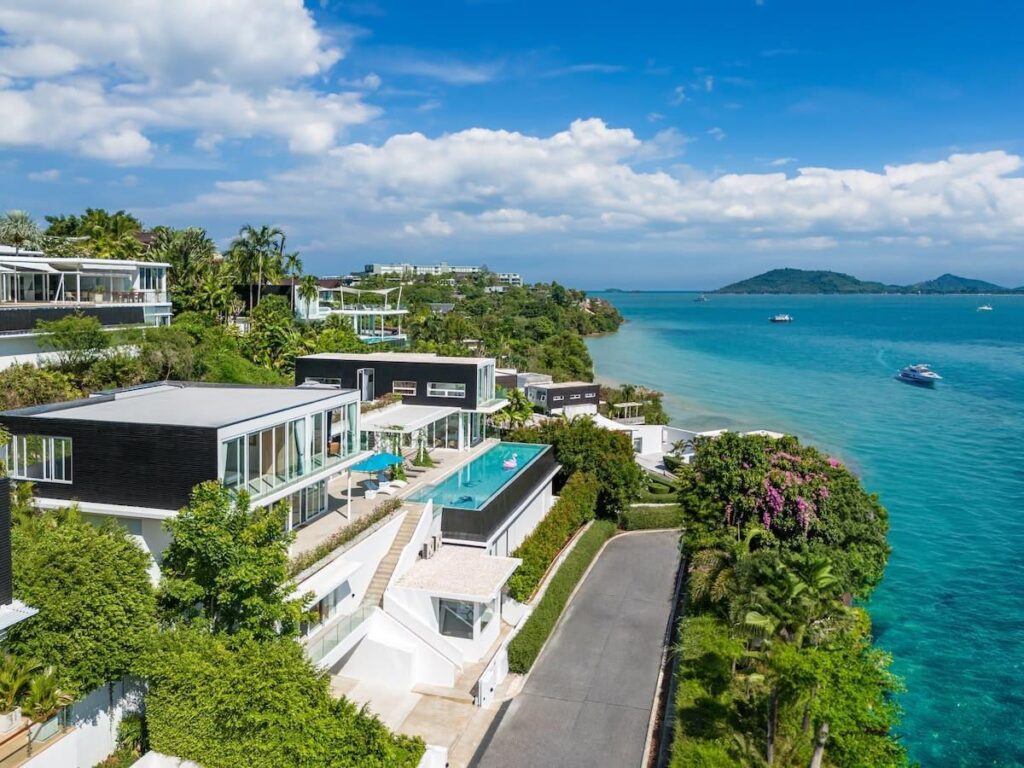
Phuket’s skyline of hillside villas and beachfront condominiums makes it easy to fall in love with the island before checking a single document. Every year, international buyers arrive with a clear budget and an even clearer vision of life by the Andaman Sea, only to discover months later that the sales brochure told a very different story than the paperwork. Most disputes involving foreign buyers in Thailand do not stem from bad luck. They stem from warning signs that were visible early on and simply overlooked in the excitement of the purchase. A house for sale in Phuket can be a genuine opportunity or a costly mistake, and the difference usually comes down to how carefully the details were reviewed before signing anything. Even seasoned investors, familiar with property markets elsewhere in the world, are sometimes caught off guard by how differently ownership, permits, and land rights work under Thai law. The following red flags are the ones that experienced buyers, lawyers, and agents see most often, and the ones that deserve a second look no matter how attractive the listing photos appear.
A Land Title That Raises More Questions Than Answers
Not all land titles in Thailand carry the same legal weight. A Chanote title represents full, surveyed ownership and is the gold standard for any serious purchase. Other title types, such as Nor Sor 3 Kor, offer weaker protections and can complicate future resale or mortgage options. A red flag appears when a seller is vague about which title type applies, reluctant to share the original document, or quick to explain away discrepancies between the title and the boundaries described in the listing. Land disputes in Phuket often trace back to overlapping claims, encroachment on protected forest zones, or plots that were never properly surveyed. Before any deposit changes hands, the title deed should be checked directly against the Land Department’s records, not just taken at face value from a broker. A property with a clean, verifiable title is worth paying for. One with a clouded title is a liability wearing an attractive price tag.
Construction Without Verified Permits
A villa can look finished and still be sitting on a legal problem. Building permits, environmental approvals, and construction sign-offs are not optional paperwork; they are what separates a legitimate structure from one that a local authority could later order altered or torn down. This is especially relevant in hillside developments, where slope regulations and environmental restrictions are strictly enforced along much of Phuket’s west coast. Buyers should ask to see the original building permit and confirm that the completed structure matches what was approved, since additions or floor extensions built without updated permits are a common and costly surprise. A seller who cannot produce this documentation, or who suggests it “will be sorted out later,” is signalling a problem that should be resolved before purchase, not after.
Ownership Structures That Sound Too Convenient
Thai law limits direct foreign land ownership, and workarounds are common across the island. Some are legitimate, such as long-term leasehold agreements or ownership through a properly structured Thai limited company with real business activity. Others exist purely to sidestep the law, using nominee shareholders who hold shares in name only with no real investment or control. This kind of arrangement is illegal and can leave a foreign buyer with no enforceable claim if the structure is ever challenged. A red flag appears whenever an agent presents company ownership as a simple formality rather than a genuine legal and financial commitment, or when the explanation of who actually controls the company feels rehearsed rather than transparent. Independent legal advice, separate from the seller’s own lawyer, is the only reliable way to confirm that an ownership structure will hold up over time.
Off-Plan Developers With No Delivery History
Off-plan villas and condominiums are one of the most popular ways to buy in Phuket, and also one of the easiest ways to lose money. A developer with no completed projects, no verifiable track record, or a pattern of missed deadlines on earlier phases is a significant risk, regardless of how polished the marketing renders look. Buyers should ask to see previously completed developments in person, review payment schedules tied to verified construction milestones rather than arbitrary dates, and confirm that funds are held in a manner that protects the buyer if the project stalls. A developer’s reluctance to provide references, financial background, or a site visit to an active project is one of the clearest warning signs available before a single payment is made.
Sales Pressure That Leaves No Room to Think
Urgency is a common sales tool, and in real estate it deserves particular scepticism. Phrases like “another buyer is interested” or “this price is only valid today” are designed to short-circuit due diligence, not support it. A genuinely good property does not need to be rushed into, and a reputable agency will always support a buyer’s decision to take the time needed for legal checks, site visits, and independent advice. When pressure replaces information, or when a seller becomes evasive under direct questioning, that reaction is itself a piece of information worth taking seriously.
Rental Return Promises That Don’t Add Up
Guaranteed rental yields of ten percent or higher are a familiar pitch in Phuket’s investment property market, and they are worth examining closely rather than taken at face value. Sustainable returns depend on realistic occupancy rates, honest expense assumptions, and a management company with an actual operating history, not just a projection built to make a listing more attractive. Asking for historical occupancy data, real maintenance costs, and references from current owners in the same development is a reasonable request, and any seller unwilling to provide it is asking for trust it has not earned. Seasonal fluctuations, agency commissions, and repair reserves all affect what a buyer actually takes home, and a projection that ignores these factors is a marketing figure rather than a financial forecast.
Skipping Independent Legal Review
The single biggest red flag is not any one document or clause; it is the decision to skip independent legal review altogether. A qualified Thai property lawyer, engaged directly by the buyer rather than recommended solely by the seller, can confirm the land title, review the sale and purchase agreement, verify the ownership structure, and flag anything unusual before it becomes a binding commitment. The relatively small cost of proper legal due diligence is negligible compared to the losses that follow a flawed purchase, and no legitimate seller should ever discourage a buyer from seeking it.
None of these warning signs mean that buying property in Phuket is inherently risky. Thousands of transactions close successfully every year, and the island remains one of the most sought-after property markets in Southeast Asia for good reason. What separates a smooth purchase from a painful one is usually the willingness to slow down, ask direct questions, and verify claims independently rather than relying on assurances alone. A careful buyer who insists on documentation, independent legal review, and transparent answers is far more likely to end up with a property that matches the dream that brought them to the island in the first place. For buyers exploring their options, browsing a curated selection of house for sale in Phuket is a practical starting point, since working with an established agency that welcomes scrutiny rather than avoiding it is often the clearest signal of all that a property, and the people selling it, can be trusted.