
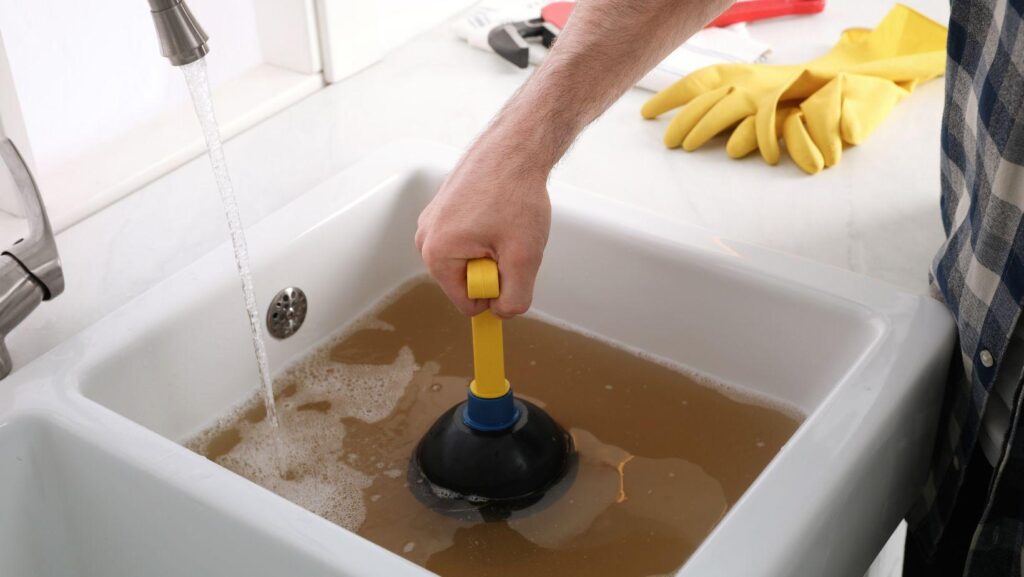
A sink is one of those household fixtures that rarely gets much attention until it stops doing its job. Whether it is a kitchen basin filling with murky water, a bathroom sink draining slowly, or an unpleasant smell drifting up from the plughole, these issues can quickly disrupt everyday routines.
Across Essex, plumbers see a familiar mix of sink-related callouts. Some are straightforward blockages caused by food waste or hair. Others point to ageing pipework, hard-water deposits, poor installation, or drainage problems further along the system. Knowing the difference can help homeowners act early, avoid unnecessary damage, and understand when a simple clean is no longer enough.
Slow-Draining Sinks and Partial Blockages
The most common sink complaint is slow drainage. Water may eventually disappear, but only after pooling in the basin for several minutes. This usually means there is a partial obstruction in the waste pipe, trap, or drain run.
In kitchens, the usual culprits are grease, cooking oil, food scraps, coffee grounds, and detergent residue. Hot fat is especially deceptive: it may look harmless when poured away as a liquid, but it cools quickly inside pipes and creates a sticky lining that catches other debris.
Bathroom sinks tend to clog for different reasons. Hair, toothpaste, shaving foam, soap residue, and skincare products can combine into a thick build-up around the plug mechanism or within the trap. In homes with hard water, mineral deposits may make the problem worse by narrowing the internal diameter of pipes over time.
A plunger or careful cleaning of the trap may resolve minor cases. However, repeated slow drainage is a sign that the blockage is either returning or sitting beyond the point that household methods can reach.
Fully Blocked Sinks
A completely blocked sink is more obvious—and usually more urgent. Water will not drain at all, or it may rise alarmingly when a washing machine, dishwasher, or nearby tap is used. The temptation is often to reach for a strong chemical drain cleaner, but this can create new problems.
Chemical products may not remove a solid blockage, particularly if the obstruction is caused by compacted food waste, scale, a damaged pipe, or an item lodged in the system. They can also be harsh on older plumbing, rubber seals, and metal pipework. If the product remains trapped in standing water, it becomes a hazard for anyone who later needs to inspect the drain.
Where the issue keeps returning or affects more than one fitting, it is sensible to arrange professional sink drain repairs rather than treating the symptom repeatedly. A proper inspection can establish whether the obstruction is in the sink trap, the branch pipe, or the main drainage line serving the property.
Leaking Pipes, Traps, and Waste Connections
Not every sink problem involves drainage. Small leaks beneath a basin are another frequent reason plumbers are called out, particularly in older Essex properties where fittings may have been in place for years.
Why under-sink leaks are easy to miss
A slow drip beneath a kitchen unit can go unnoticed until it causes swollen cupboard bases, mould growth, or a musty smell. Bathroom leaks may damage flooring, loosen sealant, or affect the ceiling below in multi-storey homes.
Common sources include loose compression fittings, worn washers, cracked plastic traps, failed sealant around the sink waste, and corroded metal components. Sometimes the leak only appears when the sink is full and the plug is released, which points to a problem with the waste assembly rather than the water supply.
Homeowners can place dry kitchen roll around visible joints to identify where moisture is appearing. Beyond tightening an obviously loose fitting, though, repairs are best handled carefully. Overtightening plastic connections can crack them, while a leak may be evidence of movement or strain elsewhere in the pipework.
Unpleasant Smells Coming From the Plughole
A foul smell from a sink does not always mean there is a major blockage. Often, it is caused by organic residue collecting in the trap or waste pipe. Food particles in a kitchen sink and soap residue in a bathroom basin provide a surprisingly effective breeding ground for bacteria.
The trap beneath the sink is designed to hold a small amount of water, which prevents sewer gases from travelling back into the room. If a sink is rarely used—such as one in a guest bathroom—the water in the trap can evaporate. In that case, simply running the tap for a short time may restore the water seal.
Persistent smells deserve closer attention, especially when they are accompanied by gurgling sounds, slow drainage, or water backing up. Those symptoms can indicate a blockage further along the pipe or an issue with venting in the drainage system.
Gurgling, Backflow, and Noisy Drains
Gurgling is often a warning sign rather than a problem in itself. It occurs when air struggles to move through the drainage system as water flows away. A partial blockage can create pressure changes that pull air through the trap, producing the familiar bubbling or glugging sound.
Backflow is more concerning. If water rises into the sink when another appliance drains, there may be a restriction in a shared waste pipe. Kitchen sinks are particularly vulnerable where dishwashers or washing machines connect to the same run.
A plumber will typically assess whether the issue is localised or affecting a wider section of drainage. This distinction matters: replacing a trap will not solve a blockage in an external drain, and repeated DIY cleaning may delay a more appropriate repair.
Hard Water and Limescale Build-Up
Essex has many areas with hard water, and while limescale is often associated with kettles and shower screens, it can also affect sinks and plumbing connections. Mineral deposits can accumulate around taps, aerators, wastes, and pipe interiors.
Over time, scale can reduce water flow, make tap handles stiff, and contribute to stubborn drainage issues when combined with soap or grease. It may also shorten the working life of washers and cartridges inside taps.
Regular cleaning helps, but it is important to use products suitable for the material. Abrasive cleaners can scratch stainless steel and damage some composite or ceramic finishes. A gentler approach—combined with routine removal of visible debris from plugholes—will usually protect both appearance and function.
When a Sink Problem Needs Prompt Attention
Some sink problems can wait for a convenient appointment; others should not. Arrange help quickly if you notice any of the following:
- Water leaking into cupboards, flooring, or ceilings
- Wastewater backing up from another appliance or fixture
- Repeated blockages despite cleaning the trap
- Strong sewer-like odours that do not improve after flushing the drain
- Cracked pipework, persistent dripping, or signs of mould
The key is to treat recurring sink trouble as useful information. A blocked or leaking sink is rarely random. It often reflects what is entering the drain, the age and condition of the pipework, or a wider issue in the drainage layout. Addressing the underlying cause early is usually simpler than waiting for a minor inconvenience to become water damage or a complete drainage failure.