
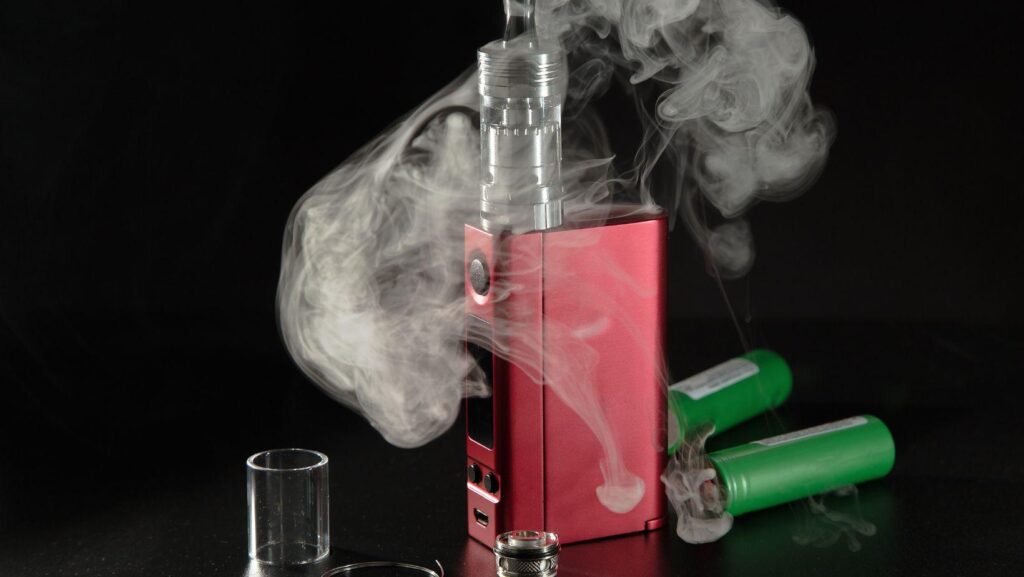
Rechargeable vapes have moved from a niche alternative to a familiar sight on high streets, in convenience stores and online. Their growing popularity reflects several overlapping trends: consumers are becoming more conscious of waste, manufacturers are responding to criticism of disposable products, and adult smokers are looking for alternatives that offer convenience without the ongoing cost of single-use devices.
But the shift is not simply a story of technological progress. Vaping remains a public-health issue, particularly where nicotine dependence and youth uptake are concerned. Understanding why rechargeable products are gaining ground requires looking at consumer behaviour, product design, environmental pressures and regulation together.
Convenience Without Constant Replacement
One of the main attractions of rechargeable vaping devices is straightforward: the device can be used repeatedly rather than discarded after a short period.
Disposable vapes became popular partly because they removed complexity. Users did not need to charge a battery or replace a separate tank. However, that convenience came with limitations. Once the battery or e-liquid ran out, the entire device had to be thrown away.
Rechargeable models separate the long-lasting hardware from the consumable element, such as a pod or bottle of e-liquid. This can make them more practical for people who vape regularly, particularly those who prefer a consistent device rather than repeatedly buying a new one.
The format also offers greater flexibility. Depending on the design, users may be able to replace a pod, select from different nicotine strengths or choose a flavour that suits their preferences. That variety has helped rechargeable systems appeal to adults who find disposable products restrictive or expensive over time.
A Response to Waste Concerns
Environmental criticism has been one of the strongest forces behind the move away from disposables.
Single-use vapes combine plastic, lithium-ion batteries, electronic components and e-liquid residue in a compact product that is often difficult to recycle. When discarded in general waste, their batteries may create fire risks in rubbish trucks and recycling facilities. Even when collection schemes exist, participation is inconsistent.
Rechargeable products do not eliminate waste. Pods, coils, packaging and depleted batteries still require responsible disposal. Nevertheless, extending the life of the main device can reduce the quantity of electronics discarded over a comparable period.
This distinction matters. A reusable device is not automatically environmentally friendly, particularly if it is replaced frequently or poorly recycled. The real benefit depends on product lifespan, battery durability, recycling infrastructure and consumer behaviour. Manufacturers and retailers therefore face growing pressure to provide clearer disposal guidance and take-back options.
The Economics of Reuse
Cost is another important factor. Although a rechargeable device may cost more initially than a disposable, its reusable hardware can make it less expensive over time. Users generally purchase replacement pods, coils or e-liquid rather than a complete electronic device each time.
For people who vape frequently, the difference can be significant. The calculation depends on the device, how often it is used and whether replacement components are readily available. A poorly designed product that requires frequent replacement may offer little financial advantage, while a durable system can spread the cost of the battery and electronics across a much longer period.
This economic appeal is particularly relevant during periods of household budget pressure. Consumers are increasingly comparing the total cost of ownership rather than focusing only on the price displayed at the point of purchase.
Product Design Is Becoming More Sophisticated
Rechargeable vapes have also benefited from improvements in design. Earlier products could be bulky, prone to leaking or difficult to maintain. Newer models tend to be smaller, more reliable and easier to operate.
Features such as USB-C charging, battery indicators and magnetic pod connections have improved usability. Some devices provide adjustable airflow or power settings, although greater control can also introduce additional complexity for inexperienced users.
Manufacturers are also paying closer attention to battery safety, leak resistance and consistency of vapour production. These improvements matter because reliability strongly influences whether consumers continue using a product or return to disposable formats.
Yet convenience should not be confused with harmlessness. Rechargeable vapes still commonly contain nicotine, which is addictive. Device performance and design improvements do not remove the health considerations associated with inhaling vapour or becoming dependent on nicotine.
Regulation Is Reshaping the Market
Government policy is playing a substantial role in the shift. In the UK and elsewhere, regulators have expressed concern about youth vaping, misleading product design, environmental waste and inconsistent compliance.
Restrictions on disposable vapes, flavour presentation, packaging and advertising are likely to influence what products remain available. These measures may accelerate the move toward rechargeable systems, but they also create a responsibility for manufacturers and retailers to ensure that replacement components, labelling and recycling information are clear.
A changing regulatory landscape can also affect consumers directly. Products may be withdrawn, packaging may change and familiar formats may become harder to obtain. Choosing compliant products from legitimate sources is therefore more important than relying on informal sellers or unverified imports.
A Harm-Reduction Tool—and a Public-Health Concern
For adult smokers, vaping is often discussed in the context of harm reduction. Public-health bodies have generally distinguished between the risks of smoking combustible tobacco and those associated with vaping. Burning tobacco produces thousands of chemicals, including many that are toxic and carcinogenic. Vaping does not involve combustion, but it is not risk-free.
The key public-health question is how vaping is used. An adult smoker who switches completely away from cigarettes may reduce exposure to some harmful substances. By contrast, someone who has never smoked may acquire a new nicotine habit. Dual use—smoking and vaping at the same time—may also limit potential benefits.
For that reason, rechargeable vapes should not be presented as lifestyle accessories without context. They are best understood as regulated nicotine products with different risks from cigarettes, not as harmless consumer electronics.
What Consumers Should Consider
Anyone assessing a rechargeable vape should look beyond appearance and price. Important questions include:
- Is the product legally compliant and clearly labelled?
- Can the battery and pods be disposed of responsibly?
- Are nicotine warnings and ingredient information easy to find?
- Is the product intended for adult smokers or existing nicotine users?
- Could continued use reinforce dependence rather than support a planned reduction?
What Comes Next?
The rise of rechargeable vapes is likely to continue, shaped by environmental concerns, consumer economics and regulatory change. Their future will depend less on novelty and more on durability, responsible disposal, transparent labelling and evidence-based public-health policy.
For adult smokers considering alternatives, the most important distinction is between switching completely and adding another nicotine product to an existing habit. For non-smokers, particularly young people, starting to vape carries no health benefit.
Rechargeable technology may solve some of the practical and environmental shortcomings of disposables, but it does not settle the wider debate. The strongest path forward combines better product standards with honest risk communication—and keeps the focus on reducing nicotine-related harm rather than simply expanding consumption.