
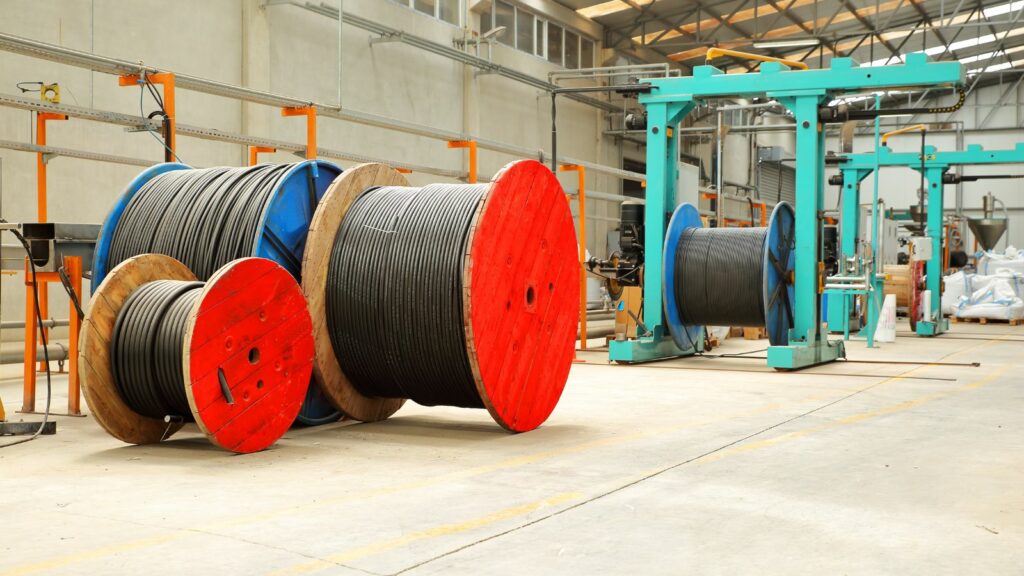
Cable factories play a critical role in supporting modern infrastructure, manufacturing the cables that power homes, industries, transportation systems, and digital networks. From electricity distribution to telecommunications and data transmission, cables are essential components that enable everyday life to function smoothly. Behind these products lies a complex manufacturing process that combines engineering precision, quality control, and advanced technology. For example, professional electrical service providers such as Pier Electric depend on reliable, high-quality cables like those produced in modern cable factories to ensure safe and efficient installations.
What Is a Cable Factory?
A cable factory is a specialized industrial facility dedicated to producing electrical, communication, or data cables. These factories handle everything from raw material processing to final product testing. Depending on the factory’s focus, cables may be designed for low-voltage residential use, high-voltage power grids, fiber-optic communication, automotive systems, or industrial machinery.
Modern cable factories are highly automated environments, designed to maintain consistency, safety, and efficiency at scale. While the end product may appear simple, cable manufacturing requires careful control of materials, dimensions, insulation properties, and performance standards.
Raw Materials Used in Cable Production
The manufacturing process begins with raw materials. Conductors are typically made from copper or aluminum due to their excellent electrical conductivity. Copper is often preferred for its durability and efficiency, while aluminum is used in applications where weight and cost are major considerations.
Insulation and protective layers are produced using materials such as PVC, XLPE (cross-linked polyethylene), rubber, or specialized polymers. These materials protect the conductor from environmental damage, heat, moisture, and mechanical stress. In fiber-optic cable factories, glass fibers and protective coatings replace metal conductors altogether.
The Cable Manufacturing Process
Cable production generally follows several key stages. First, the conductor is drawn to the required diameter using wire-drawing machines. This step ensures uniform thickness and conductivity. Once the conductor is prepared, insulation is applied through an extrusion process, where molten insulating material is coated evenly around the wire.
For multi-core cables, individual insulated wires are twisted or bundled together in a cabling process. Additional layers, such as shielding, armoring, or outer sheathing, may be added depending on the cable’s intended use. These layers enhance durability, reduce electromagnetic interference, and improve safety.
Throughout production, cable factories conduct regular inspections to verify diameter, insulation thickness, and material consistency. Precision at each step is essential to meet industry standards and regulatory requirements.
Quality Control and Testing
Quality control is a cornerstone of cable factory operations. Finished cables undergo rigorous testing to ensure reliability and safety. Common tests include electrical resistance measurement, voltage testing, insulation resistance checks, and mechanical stress tests.
Environmental testing may also be performed to simulate exposure to heat, cold, moisture, or chemicals. For cables used in critical infrastructure, such as power transmission or medical equipment, compliance with international standards is mandatory. These tests help prevent failures that could lead to power outages, data loss, or safety hazards.
Automation and Technology in Cable Factories
Modern cable factories increasingly rely on automation and digital monitoring systems. Automated extrusion lines, robotic handling systems, and real-time quality sensors reduce human error and increase production efficiency. Software systems track production data, material usage, and testing results, allowing manufacturers to optimize processes and maintain traceability.
Advanced factories may also integrate smart manufacturing techniques, such as predictive maintenance and energy-efficient systems. These innovations help reduce downtime, minimize waste, and improve sustainability across operations.
Environmental and Safety Considerations
Cable factories must operate within strict environmental and safety guidelines. Manufacturing processes generate heat, emissions, and waste materials that require proper management. Many factories now implement recycling programs for metal scraps and plastic materials, reducing environmental impact.
Worker safety is equally important. Facilities are designed with protective equipment, ventilation systems, and safety protocols to prevent accidents. Regular training ensures that employees can operate machinery safely and respond effectively to potential hazards.
The Global Importance of Cable Manufacturing
Cable factories support a wide range of industries, including construction, energy, transportation, telecommunications, and manufacturing. As global demand for renewable energy, electric vehicles, and high-speed internet continues to grow, the importance of cable production is increasing.
Investments in infrastructure projects worldwide rely on consistent access to high-quality cables. As a result, cable factories remain vital contributors to economic development and technological progress.
Conclusion
Cable factories are far more than production sites—they are essential pillars of modern society. Through precise engineering, advanced technology, and strict quality control, these facilities ensure the safe and efficient delivery of power and information. As technology evolves and infrastructure demands expand, cable factories will continue to adapt, innovate, and support the systems that keep the world connected.