
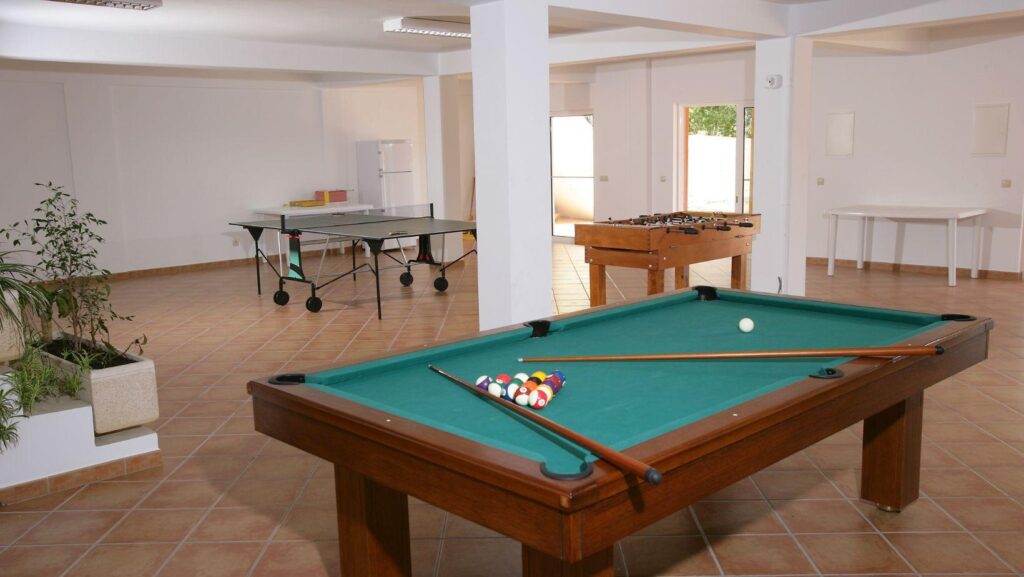
Designing a dedicated space for entertainment is one of the most rewarding home improvement projects you can take on. When planning a home games room without overspending, the primary challenge is keeping enthusiasm from outpacing your actual budget. High-ticket items like full-sized pool tables, oversized digital displays, and custom cabinetry can quickly cause costs to spiral if you begin buying before establishing a clear layout.
A successful entertainment space does not require luxury showroom pricing. By defining functional zones, choosing adaptable furnishings, and pacing your purchases, you can construct a comfortable and engaging games room that fits your household's lifestyle and finances.
Defining Your Activities and Spatial Zones
Every successful recreation room starts with an honest assessment of how the room will be used. Trying to squeeze arcade cabinets, a dartboard, a poker table, and a video console station into a single room without clear zones creates visual clutter and physical bottlenecks.
Begin by measuring the perimeter of the room and mapping out clearance areas. For cue sports like billiards, players generally need at least five feet of open space around the perimeter of the table to stroke comfortably. Board game stations and card tables require less clearance, usually needing three to four feet behind chairs so people can push back and stand up without bumping into walls or adjacent players.
When you organize your layout, group compatible activities together:
- Social board gaming and card areas benefit from dedicated surface space and upright seating.
- Screen gaming requires controlled viewing angles, comfortable recliners or modular seating, and glare reduction.
- Physical games like table tennis or electronic darts need open movement corridors and durable wall clearance.
If you are working with an open-plan basement or a shared recreation space, look at smart zoning techniques to preserve visual order. You can define separate activity zones through deliberate furniture placement, area rugs, and overhead lighting without needing to build permanent partition walls. For additional layout ideas, reviewing guides like how to divide an open plan living room kitchen illustrates how floating furniture and low-profile storage units effectively establish boundaries across open spaces.
Establishing a Phased Renovation Budget
Cost overruns in home renovations rarely happen all at once. They typically occur through a series of small, unplanned purchases that compound over the course of the build. To prevent unexpected debt, create an itemized budget before making any major purchases.
Financial guidance from consumer protection agencies recommends establishing a formal project estimate that sets aside a 10 to 20 percent contingency cushion. The Consumer Financial Protection Bureau's budgeting framework highlights the value of separating essential structural requirements from discretionary upgrades. In a games room project, your core structural costs include electrical safety, flooring protection, and proper illumination. Cosmetic enhancements, such as themed wall decor or specialized memorabilia, should remain secondary.
|
Category |
Budget Allocation |
Typical Low-Cost Solution |
High-Cost Trap to Avoid |
|
Flooring & Acoustics |
20% to 25% |
Thick area rugs, felt pads, dense underlayment |
Full commercial-grade carpet replacement |
|
Primary Gaming Assets |
35% to 40% |
Quality pre-owned tables, multi-use console setups |
Buying top-tier commercial coin-op units new |
|
Seating & Surfaces |
20% to 25% |
Modular modular sectionals, folding card tables |
Custom built-in leather theater seating |
|
Lighting & Electrical |
10% to 15% |
Plug-in dimmable sconces, surge protectors |
Full ceiling rewiring and architectural spotlights |
|
Contingency Cushion |
10% |
Dedicated reserve fund for unexpected repairs |
Spending the entire budget on gear upfront |
Consider adopting a phased acquisition model. Acquire the room's anchor activity first, whether that is a family board game table or a shared gaming television. Use the room for several weeks to understand how family and guests move through the space before investing in secondary pieces like bar carts or spectator seating.
Smart Sourcing for Gaming Tables and Tech
You do not need brand-new equipment to build an enjoyable recreational space. High-end leisure goods such as pool tables, air hockey sets, and foosball units frequently appear on local secondary marketplaces at steep discounts. Many homeowners purchase these large items brand new, discover they lack the space or time to use them, and sell them in near-mint condition.
When buying second-hand mechanical tables, check the leveling hardware, the frame stability, and the condition of playing surfaces. Replacing felt or leveling legs on a sturdy used slate table is almost always substantially cheaper than buying an entry-level composite table at retail.
Entertainment platforms have also shifted toward digital integration, allowing you to streamline your hardware spend. A single modern television or projection system paired with a multi-platform console or streaming box can deliver retro arcade titles, trivia platforms, and modern cooperative games without consuming physical floor area.
When your entertainment involves real-money online play or interactive virtual tables alongside casual video gaming, financial clarity remains just as important as hardware choice. For instance, when analyzing digital platforms, reviewing how quickly a casino should pay out your winnings helps players evaluate operational reliability, payout timeframes, and banking transparency before committing their entertainment funds. Applying the same disciplined evaluation to your digital subscriptions and digital gaming services keeps recurring recreation expenses predictable.
Acoustics, Lighting, and Electrical Safety
A lively games room generates substantial sound and demands steady electrical power. Addressing these elements during the planning stage prevents costly retrofits later.
Managing Noise Transmission
Hard surfaces like bare drywall and laminate flooring bounce sound around the room, making conversation difficult and disturbing nearby bedrooms. Federal housing guidelines outlined in the Department of Housing and Urban Development's healthy housing principles emphasize the importance of indoor acoustic comfort and environmental management.
Simple, budget-friendly measures absorb sound effectively:
- Place heavy wool or dense polyester area rugs over high-traffic walk zones.
- Hang thick canvas artwork or fabric curtains along bare perimeter walls.
- Install rubber door sweeps and weatherstripping along the interior doorway to block airborne noise.
Layered Lighting and Safe Power
Relying on a single bright overhead light fixture creates harsh glare on game boards and television screens. Layer your illumination into three separate zones: ambient room lighting, focused task lighting directly over playing surfaces, and soft accent lighting to set a relaxed atmosphere. Dimmable floor lamps and plug-in LED wall fixtures provide flexible lighting control without the expense of hiring an electrician to cut into walls.
Consolidate your electronic equipment using high-joule surge protectors rather than standard cheap power strips. Keep power cords secured along baseboards with adhesive raceways so guests do not trip over wires during intense gaming sessions.
Designing for Longevity and Everyday Comfort
A well-planned home games room should adapt as your household's interests evolve. Avoid thematic designs that tie the room to a single video game franchise or narrow decor trend that may feel dated within a couple of years. Instead, select durable neutral finishes for your main walls and foundational furniture, then add personality through easily swapped framed posters, throw blankets, and accent lighting.
Focusing on comfort, durable materials, and practical room traffic yields a recreation space that delivers years of enjoyment. By pacing your purchases and prioritizing functional layout over commercial prestige, you can build a premium entertainment hub that respects your household finances.