
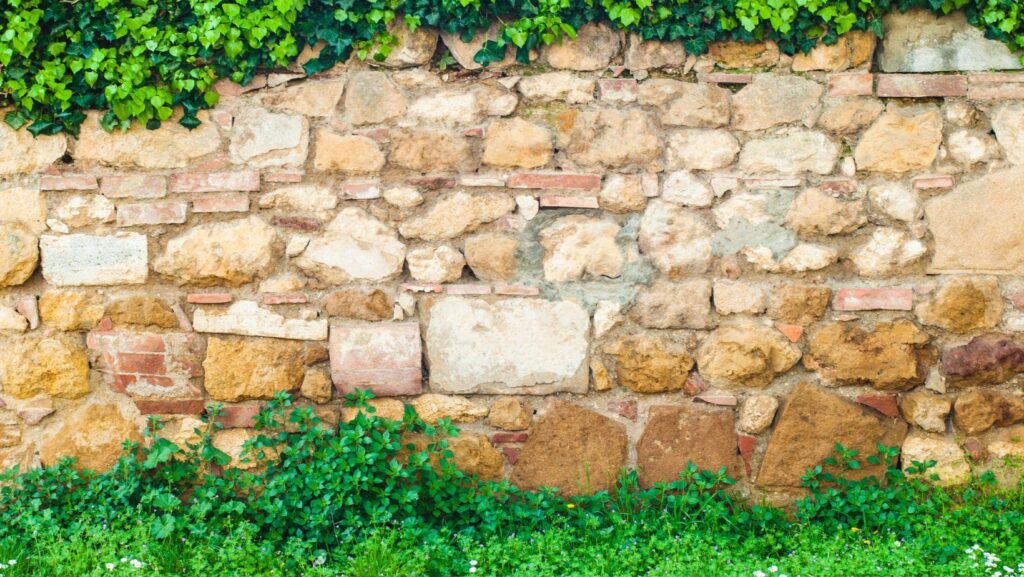
An old garden wall can become cracked, unstable, or simply unsuitable for a redesigned backyard. Replacing it may involve demolition, excavation, moving heavy masonry, preparing foundations, cutting materials, and rebuilding the structure, making preparation especially important. Anyone carrying out the work should assess the hazards involved and use appropriate protective equipment, which may include impact gloves, eye protection, suitable footwear, hearing protection, and respiratory protection for tasks that generate dust.
Inspect the Existing Wall
Don’t start demolition until you understand what you’re dealing with.
Look for:
If the wall is retaining significant amounts of soil or appears structurally unstable, professional assessment may be necessary.
Determine What the Wall Does
Not every garden wall is purely decorative.
Some walls retain soil, support fencing, define property boundaries, or interact with drainage systems.
Understanding its function is essential before removal.
A retaining wall should not be treated like a simple decorative garden border.
Check for Utilities
Before excavating around the wall, determine whether underground services are nearby.
Potential utilities may include:
Have relevant utilities identified before digging.
Plan the New Wall First
Ideally, know what you’re building before removing the old structure.
Decide on:
Planning ahead reduces the amount of time the garden remains an active construction area.
Prepare the Work Area
Move garden furniture, pots, decorations, and other items away from the demolition zone.
Create enough room to work and establish a clear route for removing debris.
Keep other people and pets away from the immediate area while demolition is underway.
Remove the Old Wall Carefully
The appropriate demolition method depends on the wall’s construction and condition.
Avoid creating uncontrolled collapses.
Work systematically and remain aware that apparently stable sections may move as surrounding material is removed.
For large, unstable, or structurally significant walls, professional demolition may be the more appropriate option.
Manage Demolition Waste
Masonry becomes heavy very quickly.
Plan how bricks, blocks, concrete, mortar, and soil will be removed before demolition begins.
Depending on the materials and their condition, some may be reusable or recyclable.
Keep debris organized rather than allowing it to accumulate around the work area.
Excavate for the New Foundation
Once the old wall is removed, prepare the site for the replacement.
Foundation requirements depend on factors such as:
Don’t simply build the new wall on top of an inadequate existing base without confirming that it is suitable.
Address Drainage
Drainage is particularly important for walls that retain soil.
Water pressure behind a poorly drained wall can contribute to future movement or failure.
The appropriate drainage solution depends on the design, soil, and site conditions.
Include drainage in the initial design rather than trying to solve water problems after the wall has been completed.
Begin Building the New Wall
The first course is especially important because errors at the base can affect everything above it.
Check alignment and level regularly as construction progresses.
Don’t rely solely on visual judgment.
Use appropriate guides and measuring tools to keep the wall consistent.
Cut Materials Carefully
Corners, ends, steps, and other design features may require masonry materials to be cut.
Use tools designed for the material and follow manufacturer instructions.
Cutting masonry can produce dust, fragments, noise, and other hazards, so appropriate controls and protective equipment are important.
Add Finishing Details
Once the main structure is complete, consider how the wall fits into the wider garden.
You could add:
These details can turn a purely functional wall into an important part of the landscape design.
Rebuild the Surrounding Garden
Construction can disturb nearby soil, lawn, and planting.
Once the wall is complete, repair these surrounding areas.
This may involve replacing soil, reseeding grass, adding mulch, replanting garden beds, or repairing adjacent paving.
Final Thoughts
Replacing a garden wall requires careful planning because the existing structure may perform a more important role than it first appears. Understand whether the wall retains soil, interacts with drainage, or has structural significance before demolition begins.
Plan the replacement, foundation, drainage, materials, and waste removal in advance. A methodical approach can help the new wall become a durable and attractive part of the wider garden renovation.