
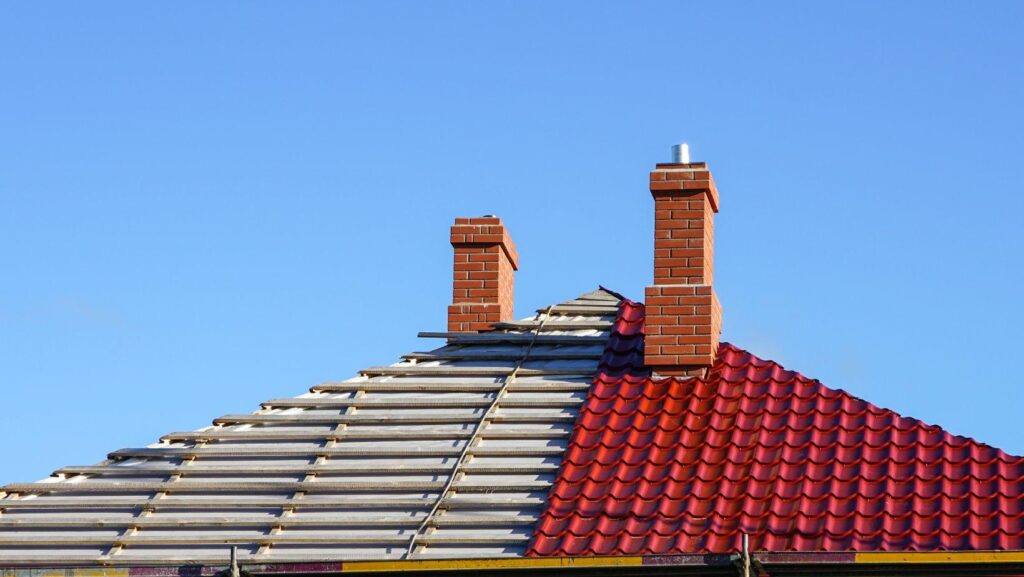
Replacing a roof is one of the largest maintenance projects many homeowners will undertake. The work involves removing old materials, inspecting the underlying structure, coordinating deliveries, managing waste, and installing a weather-resistant new roofing system. Because much of the work takes place at height and involves multiple hazards, professional contractors need to plan appropriate protective measures and equipment, which may include construction hard hats alongside other task-specific PPE and fall protection systems.
Know When a Roof May Need Replacing
Not every roofing problem requires a complete replacement.
Some isolated issues may be repairable, while widespread deterioration could make replacement a more practical long-term solution.
Possible signs that a roof needs professional assessment include:
A professional inspection can help determine the condition of the overall roofing system.
Start With a Roof Inspection
Before ordering materials, understand what you’re working with.
A roofing contractor can inspect the existing roof and identify potential problems that may affect the project.
The assessment should consider more than the visible outer material. Depending on the roof, other components may also require attention.
Discovering these issues before construction begins can make budgeting and scheduling easier.
Choose Roofing Materials Carefully
The right roofing material depends on several factors, including the property, local climate, budget, and desired appearance.
When comparing options, consider:
Don’t choose a material based entirely on initial price. Installation requirements and long-term maintenance should also influence the decision.
Plan Material Deliveries
Roofing projects require significant quantities of bulky materials.
Before work begins, decide where deliveries can be placed without unnecessarily blocking the property.
Consider access for:
Materials should also be appropriately stored before installation, particularly when weather conditions are unpredictable.
Prepare the Property
Roof replacement can be disruptive even when the work remains entirely outside.
Before contractors arrive, homeowners may need to move vehicles, outdoor furniture, plant containers, and other belongings away from the work area.
Inside the home, vibration from roofing work can sometimes affect loosely positioned objects.
Discuss preparation requirements with the contractor beforehand so the property is ready when work begins.
Remove Existing Materials Carefully
Depending on the roofing system and project, existing materials may need to be removed before the new roof is installed.
This stage can reveal problems that weren’t visible during the initial inspection.
These may include:
These issues should be properly addressed before new roofing materials cover the area again.
Think About Ventilation
A roof isn’t simply an exterior covering.
The wider roofing and attic system may also need to manage heat and moisture.
When planning a replacement, ask whether existing ventilation is appropriate and whether improvements should be considered as part of the project.
Addressing ventilation during a major roof replacement may be easier than returning to the issue later.
Coordinate Gutters and Drainage
Rainwater needs a clear route away from the roof and building.
Inspect gutters and related drainage components as part of the wider project.
Look for problems such as:
If gutter replacement is also planned, coordinate it with the roofing schedule.
Prepare for Weather Changes
Roofing work is particularly dependent on weather.
Rain, wind, storms, or extreme temperatures can affect the schedule.
Allow some flexibility rather than assuming the project will proceed without interruption.
A professional contractor should also have a plan for protecting exposed areas if weather conditions change unexpectedly.
Keep the Worksite Organized
Roof replacement generates old materials, packaging, offcuts, and other debris.
Designate appropriate locations for waste and incoming materials before work begins.
Access routes around the property should remain organized, particularly when multiple workers and deliveries are involved.
Regular cleanup can also make the final stage of the project considerably easier.
Complete a Final Inspection
Before considering the project finished, review the completed work.
The contractor should check important details of the installation and address any outstanding work.
Homeowners should also understand applicable maintenance recommendations and warranty information for their new roofing system.
Keep relevant paperwork somewhere accessible for future reference.
Final Thoughts
A successful roof replacement requires much more than selecting new roofing materials. Inspection, planning, scheduling, drainage, ventilation, property preparation, and weather conditions all need to be considered.
Working through these stages carefully can help create a smoother project and ensure that hidden problems are addressed before the new roof is completed.