
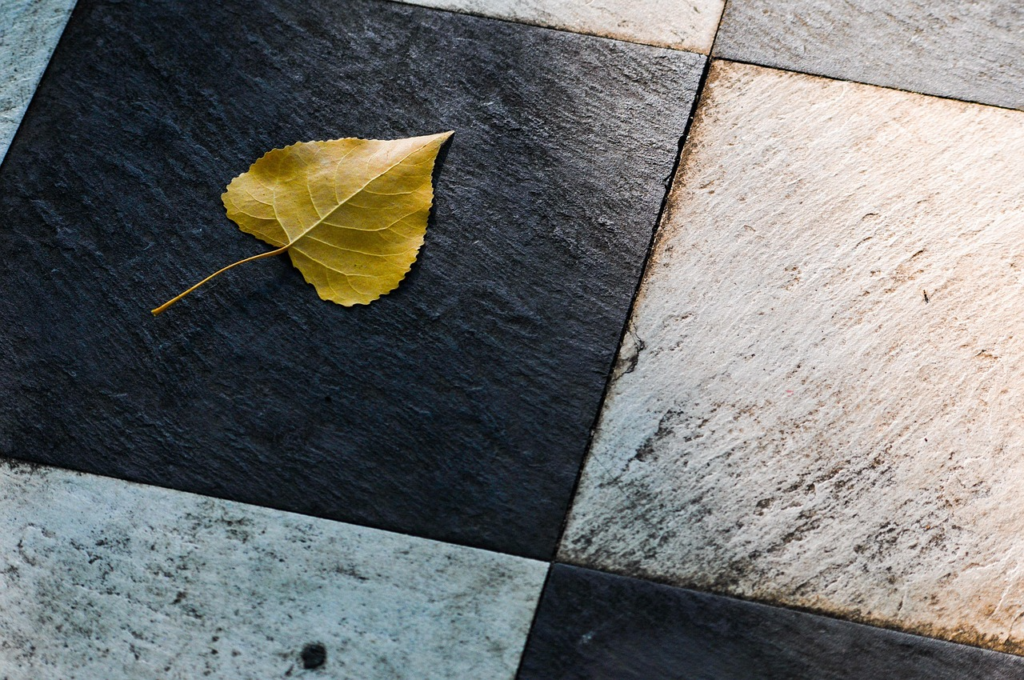
Choosing the right flooring is one of the most important decisions you will make in a renovation.
It impacts on the appearance, feel and long term value of your home. Get it wrong and you’ll be tearing it up again in a few years.
Here’s the problem:
Very few homeowners know how to comparison shop between stone, wood and tile. They read the price tag and buy the least expensive. It’s a big error.
In this article, you’ll learn exactly how each material stacks up.
What you’ll discover:
- Why Your Flooring Choice Matters
- Natural Stone Flooring Explained
- Wood Flooring Breakdown
- Tile Flooring Overview
- How To Pick The Best Option For Your Home
Why Your Flooring Choice Matters
Flooring is a massive investment.
Industry stats show that each new homeowner generates $6,100 in flooring dollars within 6 months of home purchase. That is some serious coin.
In reality, the global flooring market size was USD 372.39 billion in 2025. Consumers are spending huge sums on floors for a simple reason. The right flooring material can:
- Boost property value — buyers notice quality flooring right away.
- Last for decades — premium materials outlast cheap alternatives by 20+ years.
- Lower maintenance costs — durable floors don’t need constant replacing.
Now let’s take a closer look at the three most popular choices. For top of the range natural stone solutions such as sealed limestone floors, you can find more information later on, but for now let’s have a fair comparison.
Natural Stone Flooring Explained
Natural stone is the oldest flooring material on the planet.
It’s been found in ancient households for thousands of years… And for a good reason, it never went out of style.
Stone floors are limestone, marble, slate, travertine, granite. No two tiles look the same with each stone’s natural variation.
The Big Advantages Of Stone
Stone flooring has some serious benefits that other materials just can’t match.
Here’s why homeowners love it:
- Unmatched durability — stone can last 100+ years with proper care.
- Timeless appearance — stone never looks dated.
- Adds premium value — homes with natural stone sell for more.
- Naturally cool underfoot — ideal for warmer climates.
- Works with underfloor heating — stone holds heat beautifully.
Sealed limestone floors are the best in this category. They give you that soft, natural appearance but without the maintenance of, say, marble. They repel stains and moisture remarkably well once sealed properly.
The Downsides Of Stone
But stone isn’t perfect.
It’s costly. It’s heavy. And some varieties (marble for instance) need sealing every so often to avoid stains.
Stone can also be cold and hard underfoot. That’s great in summer… But in winter it can feel brutal unless you have underfloor heating.
Wood Flooring Breakdown
Wood is almost certainly the most common flooring material in the world. And for good reason.
Here’s what you need to know:
Wood adds warmth, character, and natural beauty to any space. Works well with virtually any design style from rustic farmhouse to sleek modern.
You’ve got two main options:
- Solid hardwood — single pieces of timber.
- Engineered wood — layered construction with a real wood top layer.
Engineered wood is rising in popularity quickly. Engineered hardwood has become the preferred sustainable option as it uses less wood and is more stable with fluctuating humidity.
Why People Love Wood
Wood flooring has been a favourite for centuries.
- Warm and inviting — wood feels soft and comfortable underfoot.
- Can be refinished — sand it down and it looks brand new.
- Great resale value — buyers love hardwood floors.
- Huge variety — oak, walnut, maple, cherry and more.
The Problems With Wood
But wood has issues that you need to consider.
It scratches easily. It’s moisture sensitive (bathrooms and kitchens are dangerous). And prices have been volatile in the last few years.
However, it should be noted that hardwood is still being out-competed by more affordable alternatives. Consumers are turning to more economical alternatives, such as laminate and rigid core, as a result of inflation and increased prices.
If budget is a concern, wood might not be your best bet.
Tile Flooring Overview
Tile is the workhorse of the flooring world.
It’s hard, it’s water resistant and it comes in thousands of styles. From the traditional to the ultra-modern… There’s a tile for that.
The main types are:
- Ceramic — affordable and versatile.
- Porcelain — denser and more durable than ceramic.
- Mosaic — small decorative tiles.
Porcelain tiles have the largest market share currently. The vitrified (porcelain) tiles segment accounted for revenue share of over 28% in 2025. The reason behind this popularity is their strength and durability.
Why Tile Works So Well
Tile flooring is tough to beat for certain rooms.
Here’s why:
- 100% waterproof (when installed correctly) — perfect for bathrooms and kitchens.
- Easy to clean — a quick mop and you’re done.
- Fire resistant — won’t burn or warp from heat.
- Huge design range — from wood-look to stone-look options.
- Affordable — some of the cheapest flooring available.
The Downsides Of Tile
Tile isn’t all sunshine and roses though.
It is cold and hard. Grout lines require regular cleaning. And if you drop something heavy… You can crack a tile.
Installation is also tricky. Getting a professional tile installer is essential.
How To Pick The Best Option For Your Home
So which material should you choose?
It really comes down to your priorities. Think about:
Tile is the least expensive, stone is the most expensive and wood is in between.
Room: Stone and tile are the most suitable for wet areas. Wood is most suitable for living rooms and bedrooms.
Lifestyle: Do you have young children and pets? Tile or stone will stand up to the ruckus. Wood may not.
Climate: Stone stays cool in hot climates. Wood feels warmer in cold climates.
Style: Stone feels luxurious. Wood feels classic. Tile feels modern.
Here’s the recommendation…
Choose Flooring for how you want to Live, not just for how you think it looks. If you pick flooring that you love but don’t work for your lifestyle, you will regret it. Choose a floor that fits with how you and your family LIVE. Your floor should last you 20-30 years (or more) so you want to get this decision right the first time.
Final Thoughts
Stone, wood, and tile can all be used for renovations. Each has its own unique appeal.
To quickly recap:
- Stone is the most durable and luxurious but also the most expensive.
- Wood is warm and classic but can scratch and swell with moisture.
- Tile is tough, affordable, and waterproof but can feel cold.
Select materials appropriate to the room, its function and your lifestyle. Don’t be swayed by the beautifully presented samples in a showroom. Maintenance, wear and tear and overall value should also be a consideration.
And don’t forget… Good flooring is an investment. Spend a little more up front on a product that will really wear well.