
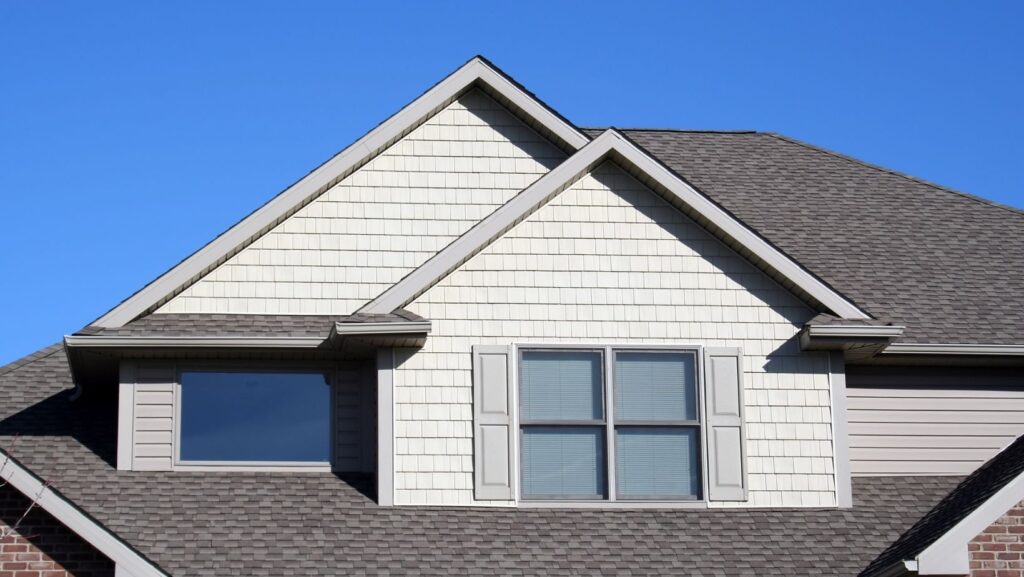
Spring is finally here, and for most of us, that means swapping out heavy coats for light jackets. But while we are enjoying the warmer breeze, our roofs are often screaming for help. This is the time of year when melting snow and heavy rain start searching for any tiny gap they can find. If you own a building with skylights, HVAC units, or chimneys, you are likely dealing with roof curbs. These raised metal frames are vital for keeping equipment secure, but they are also notorious for failing when things get wet. If you are worried about your property, getting a professional roof repair mountain green service to take a look early in the season can save you from a massive headache later on. Waiting until the ceiling starts dripping usually means the damage is already done.
The Hidden Mechanics of Roof Curbs
A roof curb is basically a box that sits on top of your roof deck to provide a level platform for heavy equipment. Because roofs are usually sloped, these curbs have to be custom-built to ensure the HVAC unit or skylight stays flat. The problem is that every curb creates a break in your roofing membrane. You are essentially cutting a giant hole in your watertight seal and hoping the flashing holds up.
When spring hits, the freeze and thaw cycle puts immense pressure on these areas. It’s like to opposing forces working against each other. During the day, water melts and runs down the roof. At night, that water freezes and expands. This constant movement can pull flashing away from the curb or crack the sealant that was applied years ago. Since the curb acts like a dam, water tends to pool against the uphill side, putting even more stress on the joints.
Why Flat Roofs Struggle with Standing Water
If you have a flat or low-slope roof, spring moisture is even more aggressive. On a sloped roof, gravity helps push water away from protrusions. On a flat roof, water stays put. If your roof curbs were not installed with proper “crickets” or diverters, you end up with standing water.
Over time, this standing water eats away at the adhesive and roofing material. Most people do not realize there is a leak until it has traveled through the insulation and started rotting the wood or rusting the metal deck underneath. By the time you see a brown spot on your ceiling tiles, the curb has likely been failing for months. Spring rains act like a diagnostic test, showing you exactly where the seals have dried out or where the metal has started to corrode.
The Warning Signs of Curb Failure
You do not always have to wait for a flood to know something is wrong. If you can safely get on your roof, look for a few specific red flags around your units. Check for cracked or peeling caulking around the top edge of the metal flashing. If the sealant looks like old, crusty bread, it is no longer doing its job.
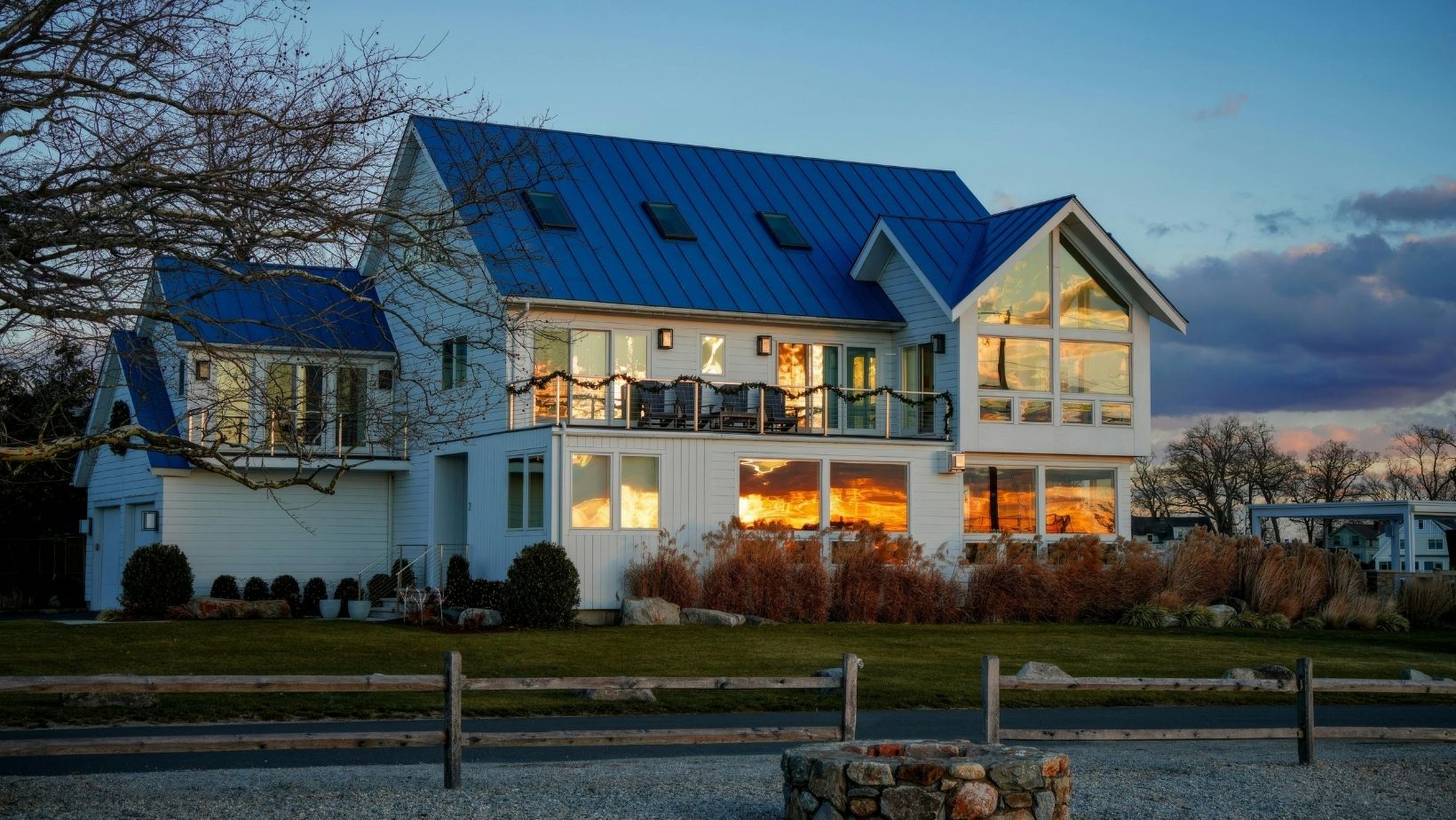
Another big sign is “alligatoring” on the membrane near the curb. This looks like cracked skin and happens when the material loses its oils and flexibility. You should also look for rusted metal or loose screws. Even a tiny gap where a screw has backed out can let in enough water to cause mold growth inside your walls. If the curb feels soft when you step near it, that is a major emergency because it means the structural decking is already compromised.
Maintenance is Better Than Replacement
The good news is that most curb issues are easy to fix if you catch them early. Usually, it just takes a bit of fresh flashing or a high-quality silicone coating to bridge the gaps. Professional roofers can also install a tapered saddle or a cricket behind the curb. This is a small, triangular structure that directs water around the curb instead of letting it hit a dead end.
Getting a pro out to do a spring inspection is the smartest move you can make. They have the eyes to see small pinholes that a regular building owner might miss. They can also check if the heavy HVAC units have shifted over the winter, which can put unexpected tension on the roofing material. A quick patch job today is significantly cheaper than replacing a whole section of a roof because of structural rot.
Final Word
Spring is a season of transition, but it does not have to be a season of expensive repairs. By keeping a close eye on your roof curbs and understanding how water interacts with them, you can keep your building dry and secure. If you notice any dampness or visible wear, calling a roof repair mountain green service is the best option. And expert will help you get ahead of the problem before the summer storms arrive. Taking care of your roof now ensures that you can focus on enjoying the sun instead of mopping up puddles in the break room. Keep your eyes up and stay proactive about those seals.