
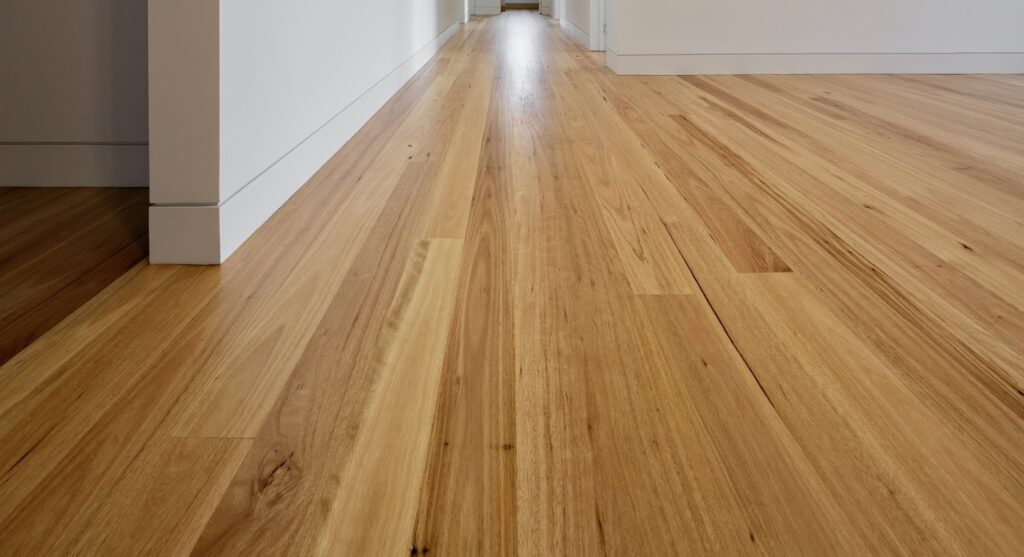
Choosing new flooring feels like a long-term decision, but many people end up regretting it much sooner than expected. What looked modern and exciting at the time can quickly start to feel dated, especially as trends shift and new styles take over.
The challenge is not just picking something that looks good today. It is choosing something that still works years from now, even as your furniture changes, your taste evolves, and design trends move on.
That is why it helps to focus less on what is trending and more on what lasts. Many homeowners, for example, look at materials like GatherCo travertine floor tiles because they offer a more timeless, natural look that does not rely on passing trends to feel relevant.
Why flooring trends fade so quickly
Trends are designed to stand out. That is what makes them appealing in the short term, but also what causes them to date quickly.
Bold choices can limit flexibility
Highly specific colours, patterns, or finishes often lock you into a particular style. When you want to update your space later, those choices can clash with new furniture or décor.
Trend-driven finishes lose appeal faster
What feels “modern” today can look outdated surprisingly fast. This is especially true for:
- Grey-washed tones that dominated recent years
- High-gloss finishes that highlight wear and tear
- Overly uniform patterns that lack character
These styles can feel tied to a specific moment rather than something that evolves with your home.
Focus on materials that age well
Timeless flooring is less about colour and more about material.
Natural materials tend to last longer stylistically
Materials like stone, timber, and certain ceramics have been used for decades, even centuries, without losing appeal. They have a natural variation that keeps them visually interesting over time.
Look for subtle imperfections
Perfectly uniform flooring can feel artificial. Slight variations in tone, texture, and pattern create depth, which helps a floor stay visually appealing even as trends change.
Choose neutral, but not boring
Neutral does not mean plain. It means adaptable.
Stick to versatile colour ranges
Colours that sit comfortably in the background tend to last longer. Think:
- Warm beiges and soft browns
- Muted earthy tones
- Light, natural stone shades
These colours work with a wide range of interior styles, making it easier to update your space without replacing the floor.
Avoid extremes
Very dark or very light finishes can be harder to maintain and may show wear more clearly. Mid-range tones tend to be more forgiving and versatile.
Think about how light interacts with your floor
Lighting plays a huge role in how flooring looks over time.
Matte and natural finishes are more forgiving
Highly reflective surfaces can highlight scratches, dust, and imperfections. They also tend to feel more trend-driven.
A matte or lightly finished surface:
- Softens the overall look of the room
- Reduces visible wear
- Feels more natural and less staged
Test in real conditions
Always consider how the flooring looks in your actual space. Natural light, artificial lighting, and room size can all affect how a material appears.
Consider your lifestyle, not just aesthetics
A floor that looks great but does not suit your daily life will not feel timeless.
Match the flooring to how you live
Think about:
- Foot traffic levels
- Pets or children
- Cleaning and maintenance preferences
A practical floor that holds up well over time will always feel like a better choice than one that looks good but wears poorly.
Plan for wear
Some materials develop character as they age, while others simply look worn out. Choosing something that improves with age helps extend its visual lifespan.
Avoid overcomplicating patterns
Patterns can be appealing, but they come with risks.
Keep patterns subtle
If you do choose patterned flooring, aim for something understated. Bold or busy designs can dominate a space and become tiring over time.
Let other elements stand out
Flooring works best when it supports the room rather than competing with it. This gives you more freedom to change furniture and décor without creating visual conflict.
Future-proof your choice
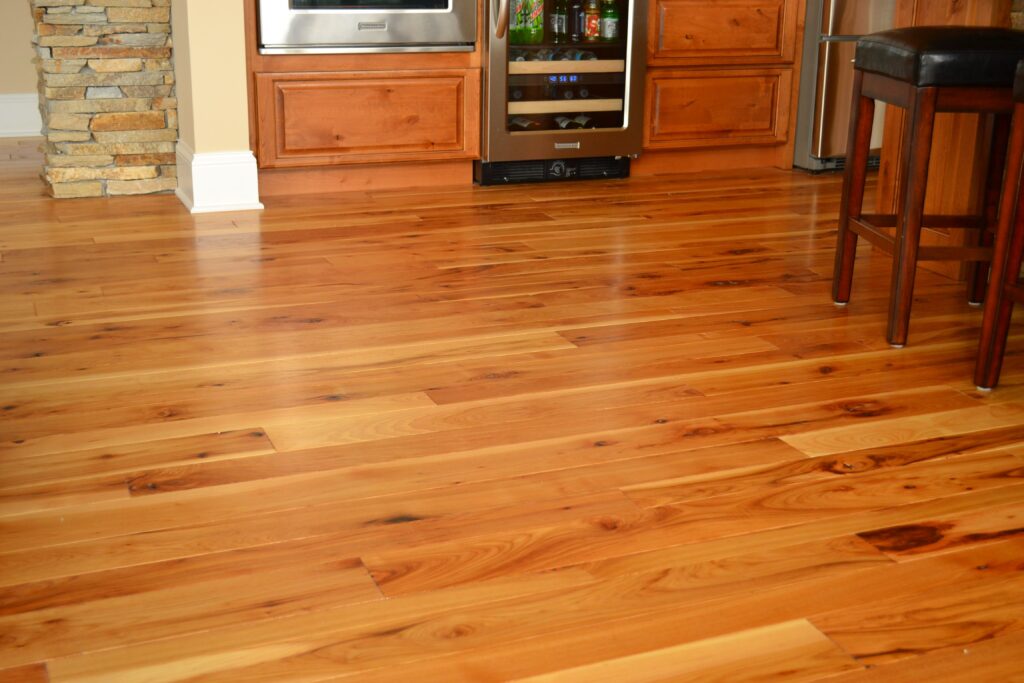
A timeless floor should work with both your current style and potential future updates.
Think beyond your current furniture
Ask yourself if the flooring will still work if you:
- Change your colour scheme
- Replace key furniture pieces
- Update your overall style
If the answer is yes, you are likely on the right track.
Keep resale in mind
Even if you are not planning to move, neutral and adaptable flooring tends to appeal to a wider audience. This can be a valuable advantage down the line.
Simple checklist before you decide
If you are unsure, use this quick checklist to guide your decision:
- Does the material have natural variation?
- Will it work with different styles over time?
- Is the finish easy to maintain?
- Does it suit your daily lifestyle?
- Can you imagine still liking it in five years?
If you can confidently answer yes to most of these, you are likely making a solid choice.
Choosing flooring you will not regret
Timeless flooring is not about playing it safe. It is about making a smart, considered choice that holds up as your home evolves.
When you focus on natural materials, balanced colours, and practical design, you create a foundation that supports everything else in your space.
And that is what really lasts. Not the trend, but the flexibility to adapt without starting over.