
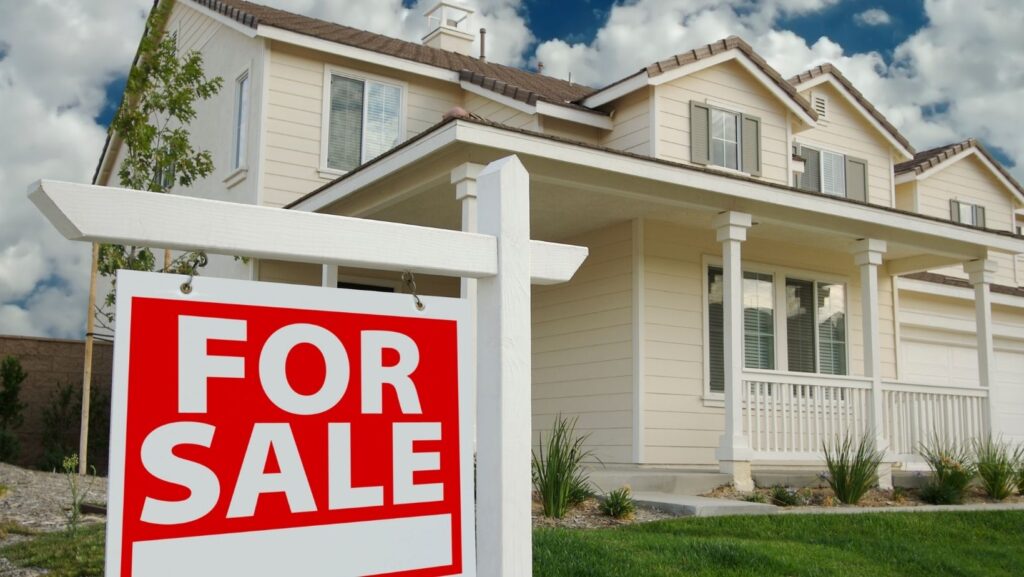
A display home visit is one of the most valuable things a prospective homebuyer can do — and one of the most underutilised. Most people walk through a new display home the way they browse a furniture showroom: admiring the styling, taking a few photos, and leaving without the information they actually came for. With a little preparation, the same visit can answer the questions that matter most, sharpen a brief, and genuinely accelerate the path to signing a build contract.
Whether exploring a first home design, upsizing, or considering display homes for sale as a property purchase in their own right, visitors who prepare well get far more than those who simply turn up and walk through. This guide covers exactly how to do that — before, during, and after the visit.
Why Visiting a Display Home Still Matters in 2026
In an era of detailed floor plans, 3D renders, and virtual tours, it might seem that a physical visit to a new display home is less essential than it once was. The opposite is true. Digital tools are excellent for narrowing a shortlist — but they cannot replicate the experience of standing in a room, feeling its proportions, observing how natural light moves through the space, and understanding how one area flows into the next.
The difference between a floor plan and a finished home is almost always surprising — in both directions. Rooms that look generous on paper can feel smaller in person when furniture and circulation are considered. Spaces that appear modest on a plan can feel unexpectedly generous when ceiling height, natural light, and material quality combine. There is no substitute for being there.
According to the Housing Industry Association of Australia, the majority of Australian homebuyers visit at least two display homes before committing to a builder — and those who visit more report significantly higher confidence in their final decision. The display home visit is not a preliminary step in the buying process; it is the buying process for many families.
Before You Visit: How to Prepare
Know Your Block — or Your Budget
If a block of land has already been secured, bring the dimensions, orientation, and any relevant site information. Most display homes are built on specific lot sizes, and understanding how the plan would adapt to a particular block is one of the most practical conversations to have with the sales consultant on site. If land has not yet been purchased, having a clear budget range and a preferred region in mind allows the conversation to be anchored in something concrete rather than purely aspirational.
Research the Builder Beforehand
Arriving with some prior knowledge of the builder — their standard inclusions, their design range, and any current promotions or packages — means the visit can go straight to the meaningful questions rather than covering ground that could have been covered online. Check the builder’s website, read recent customer reviews, and note any specific design or inclusion details to verify in person.
Prepare a Question List
The most productive visitors to new display homes arrive with a written list of questions. Without one, it is easy to get caught up in the styling and leave without the information that actually matters. The table below provides a room-by-room framework for what to observe and ask during the visit.
Display Home Visit Checklist: What to Look For and Ask
| Focus Area | What to Observe | Questions to Ask |
| Floor plan & flow | How rooms connect; circulation ease; where light falls | Is this layout available on my block size? |
| Ceiling height | Standard vs raised ceilings; impact on room feel | What height is standard vs an upgrade? |
| Kitchen | Benchtop quality, cabinetry finish, storage volume | Are these inclusions standard or premium? |
| Storage | Linen, pantry, walk-in wardrobe, garage storage | Can storage areas be expanded in the plan? |
| Natural light | Where sun enters at different times; window sizing | How does this home perform on my block orientation? |
| Fixtures & fittings | Tapware, appliances, flooring, door hardware quality | Which inclusions are in the base price? |
| Outdoor connection | Alfresco flow from living areas; eave depth; aspect | Can the alfresco be extended or enclosed? |
During the Visit: How to Get the Most from the Experience
Move Through the Home as You Would Live In It
The most revealing way to experience a new display home is to move through it the way a family actually would — not as a sightseeing circuit. Start at the front door and follow the natural flow. Walk from the garage entry to the kitchen. From the kitchen to the alfresco. From the master bedroom to the ensuite and walk-in wardrobe. These transitions reveal how well a floor plan functions for daily life in a way that a single sweep of each room cannot.
Pay particular attention to the moments that are easy to overlook: how wide the hallways feel when two people pass; whether the laundry has adequate bench space; how much storage is genuinely accessible versus decorative; and whether the home’s public and private zones are separated in a way that suits the household’s lifestyle.
Look Beyond the Styling
Display homes are professionally styled to present at their very best — and the styling is genuinely impressive. But a significant part of a display home’s visual appeal comes from furniture, soft furnishings, and decorative accessories that are not included in the build price. The discipline is to look through the styling at the architecture and construction underneath: the quality of joinery, the consistency of tiling, the finish of paintwork, the weight and action of doors and drawers. These are the elements that will define the home’s quality for decades.
Engage the Sales Consultant
The sales consultant on site at a display home village is one of the most valuable resources available to a prospective buyer — and one of the most underused. A good consultant will not just describe what is in front of you; they will explain what is standard and what is an upgrade, how the design performs in different orientations, what customisation options are available, and how the builder’s process works from contract to handover. The visit is the ideal moment to ask questions that a website or brochure cannot answer.
After the Visit: Making the Most of What You Learned
The period immediately after leaving a new display home is the most productive time to capture observations while they are fresh. A few habits make this significantly more useful:
• Write notes immediately — impressions fade quickly; capture specific observations about room proportions, light quality, storage, and finishes before leaving the estate or within the first hour of getting home
• Review photos critically — photographs taken during a display home visit often reveal details that weren’t consciously noticed in person: the height of joinery, the scale of windows relative to wall space, the consistency of material finishes
• Compare across multiple visits — the value of visiting several builders’ display homes in the same region compounds with each visit; patterns of quality, inclusion generosity, and design intelligence become clear quickly when homes are visited in succession
• Follow up with outstanding questions — any questions that couldn’t be answered during the visit should be followed up with the builder directly; a responsive, knowledgeable follow-up from the sales team is itself a meaningful indicator of the builder’s customer service culture
Planning Your Visit to an Arden Homes Display Village
Each display village features multiple homes across a range of designs, sizes, and facade styles — giving visitors a genuine basis for comparison in a single location. Whether the goal is to explore a first home design, assess upgrade options, or simply understand what a well-built new home looks and feels like, a visit to a village is the most efficient and informative way to begin.
Frequently Asked Questions
1. What is a display home village?
A display home village is a collection of fully completed and furnished new homes built by one or more builders in a new residential estate, open for public inspection. Each home showcases the builder’s design range, inclusion standard, and construction quality at full scale, allowing prospective buyers to experience different floor plans and styles in person before making a purchase decision.
2. How do I get the most from a display home visit?
Prepare before you go — know your block dimensions or budget, research the builder’s inclusions, and bring a written question list. During the visit, move through the home as you would live in it rather than as a sightseeing tour. Engage the sales consultant directly and look through the styling at the construction quality underneath. Write notes immediately after leaving while impressions are fresh.
3. Are new display homes open every day?
Most display home villages in Australia are open seven days a week, with extended hours on Saturdays and Sundays. Some builders also offer weekday appointments for buyers who prefer a quieter visit with more dedicated time from the sales consultant. Check the specific village’s opening hours on the builder’s website before visiting.
4. Can I buy a display home?
Yes — display homes for sale are a genuine purchase option that many buyers overlook. A display home typically includes every premium upgrade the builder offers, is professionally landscaped, and is available at a clear price.
5. How many display homes should I visit before choosing a builder?
Visiting at least two or three builders’ display homes — ideally in the same region and price bracket — gives a meaningful basis for comparison. Each additional visit sharpens the ability to distinguish genuine quality from impressive styling, and to identify the design, inclusion, and service differences that separate builders.